
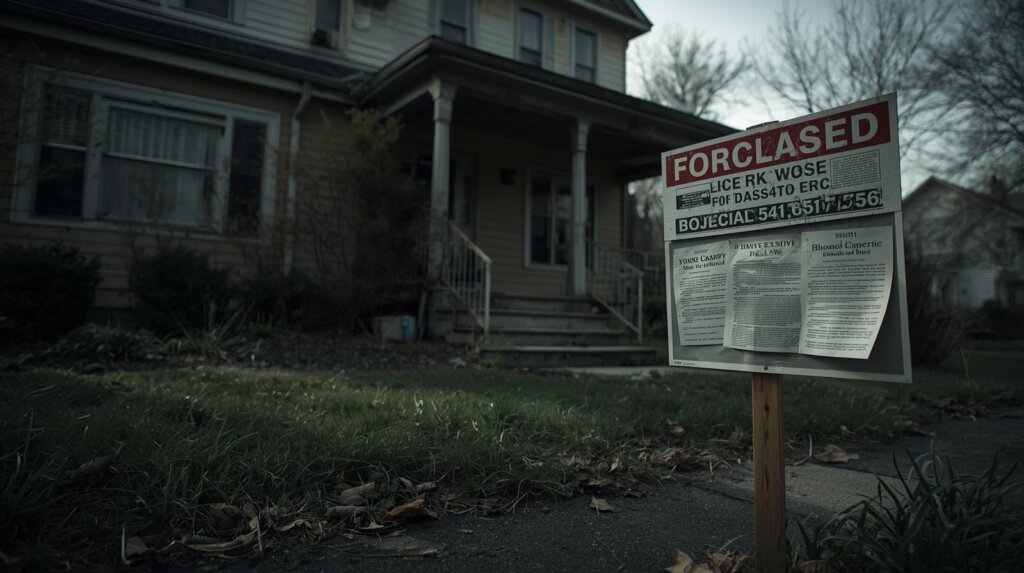
How to Avoid Foreclosure in New Jersey
If you’re facing foreclosure in New Jersey, time matters. Once the foreclosure process begins, your options start to narrow — and waiting too long can remove them entirely.
This page is for homeowners who need to understand what can still be done and decide their next move before it’s too late.
Foreclosure in New Jersey Moves Slowly — Until It Doesn’t
New Jersey is a judicial foreclosure state, which means the process often takes months. That timeline gives homeowners a window — but that window closes faster than most people expect.
Missed deadlines, ignored notices, or delayed decisions can quickly push a case forward. If foreclosure has already started, you are no longer in the “wait and see” phase.
What Actually Stops Foreclosure
At this stage, foreclosure is usually stopped in one of only a few ways:
• The loan is brought current
• A formal agreement is reached with the lender
• The property is sold before the foreclosure completes
Not every option is available to every homeowner. What matters is choosing the one that fits your timeline — not just your hope.
Selling Before Foreclosure Is Finalized
For many homeowners, selling the property before foreclosure completes is the most direct way to stop the process.
A sale can pay off or resolve the mortgage, prevent a completed foreclosure on your record, and provide a clear exit instead of prolonged uncertainty.
Selling a House As-Is When Foreclosure Is Underway
When foreclosure is already in motion, traditional listings often don’t move fast enough. Repairs, inspections, buyer financing, and appraisal delays can extend timelines beyond what foreclosure allows, leaving homeowners with fewer workable options.
A direct as‑is sale to a local cash buyer in New Jersey can eliminate those obstacles.
This option is commonly chosen by homeowners who:
• Cannot afford repairs
• Are already in foreclosure
• Need certainty and speed
• Want to avoid showings and negotiations
Selling a House During Foreclosure in New Jersey
A home can be sold up until the sheriff’s sale in most New Jersey foreclosure cases — even after a foreclosure complaint has been filed.
The problem is not whether selling is allowed.
The problem is waiting too long to act.
Homeowners often assume it’s already “too late” and lose valuable time. In reality, a sale can still stop foreclosure if it closes before the auction date. Once that date passes, options narrow quickly.
What If You’re in Pre-Foreclosure Instead?
Some homeowners reading this page may not be in full foreclosure yet, but have received a Notice of Intent to Foreclose. This stage is commonly called pre-foreclosure, and homeowners often still have more time and more options available compared to active foreclosure.
If you are in the pre-foreclosure stage, you can learn more about how that process works here:
Sell a House in Pre-Foreclosure in New Jersey
Why Cash Sales Are Often Used to Stop Foreclosure
Traditional listings often take longer than foreclosure timelines allow.
Selling directly for cash can close faster, avoid buyer financing delays, eliminate showings and repairs, and work even if the property needs work.
This is not about convenience — it’s about certainty.
Once a Foreclosure Reaches Sheriff’s Sale, Control Is Lost
Once a sheriff’s sale date is set, options narrow quickly and decisions become time-critical.
How to Decide the Right Path Forward
There is no single solution that fits every situation. The right option depends on:
• Your income and ability to resume payments
• The amount of equity in the property
• The condition of the home
• How far along the foreclosure process is
For some, keeping the home is realistic. For others, selling quickly provides relief and closure.
Avoiding Foreclosure Starts With Acting Early
Foreclosure rarely improves by waiting. The earlier you explore your options, the more control you keep.
If you are behind on payments or already facing foreclosure in New Jersey, understanding your legal timeline and real‑world options is the first step toward protecting yourself and your future.
If You’re Earlier in the Process
If you’re behind on payments but foreclosure has not started yet, you may still have more options available.
→ See what to do if you’re behind on mortgage payments in New Jersey
Talk to Someone Before Time Runs Out
Foreclosure decisions don’t improve with silence. If you’re facing foreclosure in New Jersey and need to understand what options are still available, the next step is a direct conversation — not another notice in the mail.
Disclaimer
This content is for informational purposes only and does not constitute legal or financial advice. Homeowners facing foreclosure should consult with a qualified attorney, housing counselor, or financial professional to discuss their specific situation.