
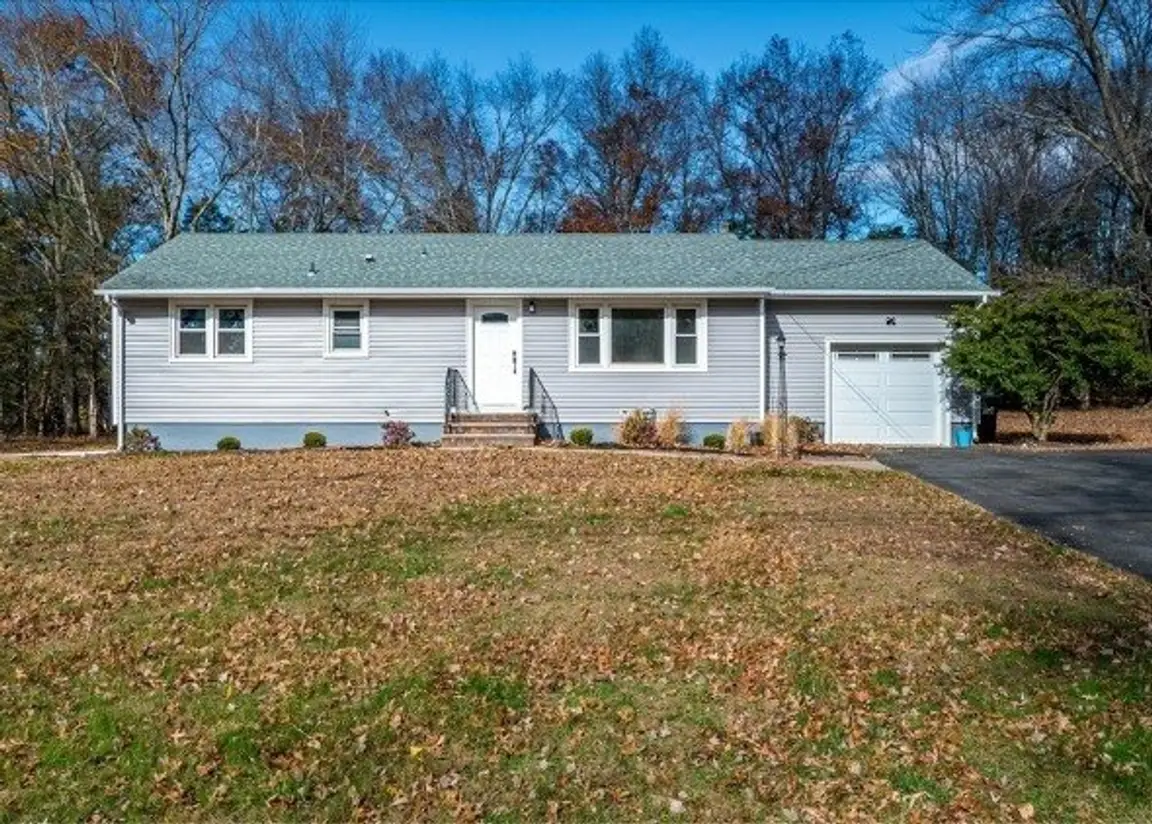
The Real Cost of Selling a House May Be More Than You Expect
Many New Jersey homeowners focus on the sale price — but repairs, commissions, holding costs, inspections, and delays can all impact what you actually walk away with.
Selling a house traditionally can involve far more than just agent commissions.
Understanding these hidden costs can help you make a more informed decision before selling your property.
- Compare traditional and direct-sale options
- Learn about unexpected selling expenses
- Understand repair and holding costs
- See why some deals become more expensive over time
What Many New Jersey Homeowners Don’t Realize Until They’re Already Deep Into the Process
Most homeowners expect certain costs when selling a house in New Jersey.
Things like:
- real estate commissions
- attorney fees
- transfer taxes
- moving expenses
But many sellers are surprised by the additional costs, delays, negotiations, and unexpected issues that can appear once the process actually begins.
In some cases, these hidden costs can reduce a seller’s net proceeds far more than expected.
Understanding these costs ahead of time can help you make a more informed decision before listing your property or accepting an offer.
The Highest Offer Does Not Always Mean the Highest Net
One of the biggest misconceptions in real estate is that the highest sale price automatically produces the best outcome.
But what sellers actually walk away with depends on many factors, including:
- repairs
- commissions
- holding costs
- inspection credits
- failed contracts
- closing delays
- carrying expenses
- taxes and fees
This is why many experienced homeowners focus on:
Net Proceeds
—not just headline price.
Real Estate Commissions
For traditional home sales in New Jersey, commissions are often one of the largest expenses.
Many listings involve:
- listing agent commissions
- buyer agent commissions
Combined commissions are commonly around:
5%–6%
of the final sale price.
Example:
| Sale Price | 5% Commission | 6% Commission |
|---|---|---|
| $400,000 | $20,000 | $24,000 |
| $500,000 | $25,000 | $30,000 |
| $700,000 | $35,000 | $42,000 |
Commissions are usually deducted directly from seller proceeds at closing.
Repairs Before Listing
Many homeowners spend money preparing their property before putting it on the market.
Common pre-listing expenses may include:
- painting
- flooring updates
- landscaping
- roof repairs
- HVAC repairs
- plumbing repairs
- electrical updates
- junk removal
- deep cleaning
- staging
Some sellers invest thousands of dollars before even receiving an offer.
In competitive New Jersey markets, buyers often expect homes to show well — especially in retail-priced listings.
👉 You can also review our guide on How to Sell a House That Needs Repairs in NJ
Inspection Repair Requests
Even after receiving an offer, additional repair negotiations often happen after inspections.
Buyers may request:
- roof repairs
- foundation repairs
- electrical corrections
- plumbing fixes
- mold remediation
- water damage repairs
- safety corrections
- CO/CCO-related items
- open permit resolutions
In some situations, sellers provide:
- repair credits
- price reductions
- completed repairs before closing
👉 You can also review our guide on Can Cash Buyers Back Out in New Jersey?
Cleaning, Staging & Showings
Preparing a home for listing often involves additional expenses many sellers underestimate.
This may include:
- deep cleaning
- junk removal
- landscaping
- professional photography
- home staging
- temporary storage units
- keeping the property “show-ready” for weeks or months
For occupied homes, maintaining constant showing readiness can also become stressful and disruptive.
Holding Costs While Waiting to Sell
One of the most overlooked expenses is:
Holding Costs
These are the ongoing monthly expenses homeowners continue paying while the property is listed for sale.
Holding costs may include:
- mortgage payments
- property taxes
- utilities
- insurance
- HOA fees
- lawn care
- snow removal
- maintenance
Example Monthly Holding Costs
| Expense | Monthly Amount |
|---|---|
| Mortgage | $2,000 |
| Property Taxes | $700 |
| Utilities | $350 |
| Insurance | $150 |
| Maintenance | $200 |
| Total | ~$3,400/month |
If the property takes several months to sell, these costs can become substantial.
In New Jersey, where property taxes are among the highest in the country, holding costs can add up quickly over time.
👉 You may also want to review our article on The Impact of Property Taxes on Home Sales
Failed Contracts & Deals Falling Apart
One of the most frustrating hidden costs is losing time when a transaction falls apart unexpectedly.
This may happen because of:
- financing issues
- attorney review cancellations
- inspection disputes
- appraisal problems
- title issues
- buyer hesitation
- last-minute renegotiation
When this happens, sellers may face:
- additional holding costs
- lost market momentum
- repeated showings
- emotional stress
- delayed moving plans
👉 You may also want to review Last-Minute Renegotiation Before Closing in NJ
Price Reductions
Some homes do not sell immediately.
As listings sit on the market:
- buyers may become cautious
- competition increases
- price reductions become more common
A property listed too high initially may eventually sell for less after multiple reductions and extended market time.
Longer listing periods can also increase holding costs.
Closing Costs & Transaction Fees
Many sellers underestimate the total amount deducted at closing.
Common closing-related costs may include:
- Realty Transfer Fee
- attorney fees
- title-related fees
- recording fees
- municipal certifications
- smoke/CO inspections
- unpaid taxes
- utility adjustments
👉 Learn more here: How Much Does It Cost to Sell a House in NJ?
Municipal & Certificate of Occupancy Costs
Some New Jersey municipalities require:
- Certificate of Occupancy inspections
- Continued Certificate of Occupancy (CCO)
- smoke detector certifications
- fire extinguisher compliance
- safety corrections
In some towns, sellers may need to complete repairs before closing can occur.
These requirements vary significantly between municipalities.
👉 You may also want to review NJ Certificate of Occupancy Requirements
Cleaning, Junk Removal & Moving Expenses
Preparing a home for traditional sale often involves additional out-of-pocket costs.
These may include:
- dumpsters
- junk removal
- storage units
- moving companies
- estate cleanouts
- landscaping
- professional cleaning
For inherited homes, hoarder situations, or long-term ownership properties, cleanup costs can become significant.
The Emotional Cost of Selling
Not all costs are financial.
Selling a home can also involve:
- uncertainty
- stress
- constant showings
- buyer negotiations
- inspection anxiety
- delayed timelines
- keeping the house “show ready”
- coordinating repairs
- managing tenant issues
For many homeowners, the process becomes more exhausting than expected.
This can become even more overwhelming during situations involving:
- divorce
- inherited property
- financial hardship
- foreclosure
- problem tenants
- major property damage
Traditional Sales Still Make Sense in Many Situations
For many homeowners, listing traditionally with an agent may still be the best option — especially when:
- the property is fully updated
- there is no major time pressure
- the home shows well
- financing complications are unlikely
- the seller wants maximum market exposure
Understanding the costs involved simply helps you make a more informed decision.
Why Some Homeowners Explore Direct Sale Options
Some homeowners choose to explore direct sales because they want to avoid:
- repair costs
- long listing timelines
- financing delays
- multiple showings
- inspection negotiations
- uncertainty before closing
In some situations, a direct sale may provide more certainty and fewer moving parts.
What Costs Are Often Covered in Our Direct Purchases?
When we buy houses directly in New Jersey, we often cover many of the transaction-related closing costs sellers commonly pay in traditional sales.
Depending on the situation, costs often covered may include:
| Cost | Often Covered in Our Direct Purchases |
|---|---|
| Title Company Fees | Yes |
| Closing / Settlement Fees | Yes |
| Recording Fees | Yes |
| Real Estate Commissions | Not applicable |
| Repairs After Inspection | Not required |
| Certificate of Occupancy / CCO Costs | Often |
Sellers may still remain responsible for:
- mortgage payoffs
- liens
- unpaid taxes
- HOA balances
- utility balances
- attorney fees
- other debts attached to the property
Every transaction is different, and costs may vary depending on the property, title issues, municipal requirements, and overall situation.
Comparing Your Real Net Outcome
The best decision is not always based on:
- highest offer price
OR - fastest closing alone
The better question is often:
“What Do I Realistically Walk Away With After Everything Is Considered?”
That includes:
- commissions
- repairs
- holding costs
- delays
- stress
- certainty
- timeline
- risk of failed contracts
Comparing true net outcomes often provides a clearer picture than focusing on price alone.
Want a Straightforward Conversation About Your Options?
At Garden State Cash Homes LLC, we work with homeowners throughout New Jersey dealing with many different situations — including inherited homes, repairs, foreclosure timelines, liens, tenant issues, and properties that may be difficult to sell traditionally.
We believe homeowners should fully understand their options before making a decision.
No pressure — just a straightforward conversation about your property and situation.
👉 Learn More About Selling Your House Fast in New Jersey
Request a No-Pressure Cash Offer
If you want to compare your options or better understand what selling may look like for your situation, you can request a confidential cash offer at any time.
Frequently Asked Questions
What are the biggest hidden costs when selling a house in NJ?
Many homeowners underestimate repairs, holding costs, commissions, inspection negotiations, delayed closings, and failed contracts.
Do sellers pay closing costs in New Jersey?
Yes. Sellers commonly pay certain closing-related costs including transfer taxes, commissions, attorney fees, and other transaction expenses.
What are holding costs when selling a house?
Holding costs are the ongoing monthly expenses paid while waiting for the property to sell, such as mortgage payments, taxes, utilities, insurance, and maintenance.
Can repairs after inspection reduce my proceeds?
Yes. Buyers may request repairs, credits, or price reductions after inspections depending on the contract and property condition.
Is selling directly always better than listing traditionally?
Not necessarily. Some homes are better suited for traditional listings, while others may benefit from a faster or more straightforward direct sale depending on the situation.
Disclaimer
The information provided on this page is for general informational purposes only and does not constitute legal, financial, tax, or real estate advice.
Selling costs, municipal requirements, closing expenses, inspections, and contractual obligations can vary based on the property, transaction structure, and individual circumstances.
Garden State Cash Homes LLC is not a law firm or financial advisory firm. Homeowners should consult with qualified attorneys, accountants, real estate professionals, or financial advisors regarding their specific situation.
