
Certificate of Occupancy in New Jersey: What Sellers Need to Know
If you’re selling a house in New Jersey, you may be required to obtain a Certificate of Occupancy (CO) before closing. Depending on the town, this process can involve inspections, repairs, and approvals that may delay your sale.
Understanding how CO requirements work in NJ can help you avoid surprises and choose the best path forward.
What Is a Certificate of Occupancy (CO)?
A Certificate of Occupancy is a document issued by a local municipality that confirms a property meets basic safety and habitability standards.
In many New Jersey towns, a CO (or resale certificate) is required before a property can be legally transferred to a new owner.
Do You Need a Certificate of Occupancy to Sell in NJ?
It depends on the town.
New Jersey does not have one universal rule. Instead:
- Some towns require a full inspection before closing
- Others require a resale certificate or smoke/fire inspection only
- Some municipalities have minimal requirements
Because rules vary, homeowners are often surprised by what is required once they begin the selling process.
What Is a Certificate of Continued Occupancy (CCO)?
In some New Jersey towns, instead of a traditional Certificate of Occupancy (CO), homeowners are required to obtain a Certificate of Continued Occupancy (CCO) before selling.
A CCO confirms that the property can continue to be occupied safely, but the requirements are often different from a full CO inspection.
CO vs. CCO in New Jersey
While both are used during the sale process, there are key differences:
- CO (Certificate of Occupancy):
May involve more detailed inspections and can require repairs before closing - CCO (Certificate of Continued Occupancy):
Typically focuses on basic safety items like smoke detectors, carbon monoxide detectors, and fire safety compliance
Some towns use one or the other, and in some cases, requirements may overlap.
Do All Towns Require a CCO?
No. Just like CO requirements, CCO rules vary by municipality.
Some towns require a CCO before closing, while others may only require a smoke/fire inspection or have minimal requirements. Because of this, it’s important to check with your local township to understand what applies to your property.
How CCO Requirements Can Affect Your Sale
Even though a CCO is often simpler than a full CO, it can still:
- Delay closing if inspections are not scheduled early
- Require minor fixes before approval
- Add another step to the selling process
For homeowners on a tight timeline, even small requirements can slow things down.
When Homeowners Look for Alternatives
Some sellers explore options outside the traditional process when:
- They want to avoid inspections or scheduling delays
- The property has other issues (repairs, permits, violations)
- Timing is important (relocation, financial pressure, etc.)
In these situations, understanding all available options can help you move forward more efficiently.
What Does a CO Inspection Include?
A Certificate of Occupancy inspection may check for:
- Smoke detectors and carbon monoxide detectors
- Fire extinguishers (in some towns)
- Electrical or safety hazards
- Basic structural or maintenance issues
- Open permits or unapproved work
If any issues are found, they may need to be corrected before the CO is issued.
How CO Requirements Can Delay a Sale
CO inspections can slow down a sale, especially if problems come up late in the process.
Common delays include:
- Required repairs before approval
- Failed inspections requiring re-inspection
- Open permits that must be closed out
- Township scheduling delays
In some cases, buyers or lenders will not proceed until the CO is cleared.
Local Reality: CO Requirements Vary by Town
In New Jersey, CO requirements are handled at the municipal level. That means towns like Clifton, Newark, or Edison may all have different rules, inspection processes, and timelines.
Some towns require only smoke and fire compliance, while others may require more detailed inspections before allowing a sale to close.
This variation is one of the biggest reasons sales get delayed unexpectedly.
Your Options If a CO Is Required
1. Complete the Inspection and Repairs
You can go through the full CO process, complete any required repairs, and obtain approval before closing.
Pros:
- Traditional sale route
- May appeal to retail buyers
Cons:
- Time-consuming
- Unexpected repair costs
- Risk of delays
2. Negotiate Repairs With a Buyer
Some buyers may agree to handle certain issues, depending on financing and lender requirements.
Pros:
- Less upfront work
Cons:
- Negotiation risk
- Deals may fall through
3. Sell Without Handling CO Requirements Upfront
Some homeowners explore options that avoid dealing with inspections, repairs, or township approvals before selling.
Pros:
- No repairs or inspections required
- Faster closing timeline
- Less uncertainty
Cons:
- Offer reflects current condition
When CO Requirements Become a Bigger Issue
Homeowners often run into problems when:
- The property has open permits
- There are code violations or unapproved work
- The home is outdated or needs repairs
- Time is limited (relocation, financial stress, etc.)
In these cases, the CO process can become a major obstacle.
Real Example: CCO Issues That Delayed a Sale
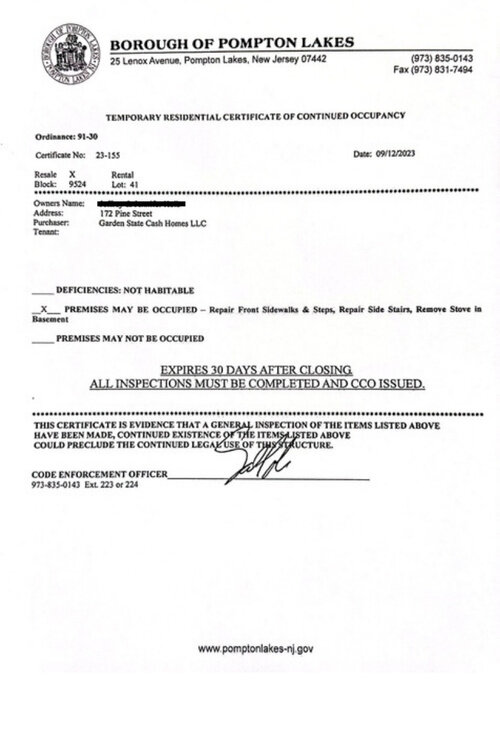
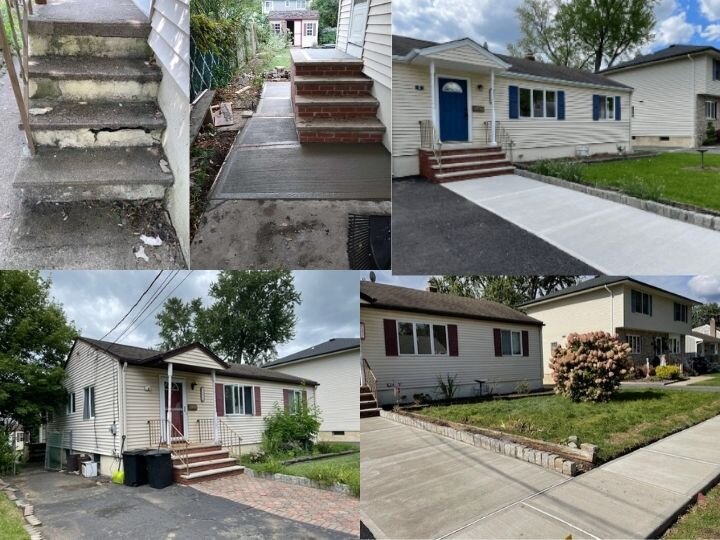
In one situation, a homeowner was unable to obtain a Certificate of Continued Occupancy (CCO) due to several issues flagged during the inspection, including:
- Unsafe sidewalk conditions
- Stairs on the side of the house that needed repair
- A damaged or non-compliant walkway
- A stove located in the basement that needed to be removed to meet code
Because of these issues, the property could not pass inspection right away. To move forward, a temporary Certificate of Continued Occupancy (TCCO) had to be obtained while the required repairs were addressed.
To keep the closing on schedule, we covered the cost of the temporary CCO and agreed to pull the necessary permits within 30 days after closing to complete the required work. The total cost of repairs for this situation was approximately $16,250.
Without the temporary CCO, the sale would have likely been delayed or unable to close on time.
Situations like this are more common than many homeowners expect, especially in older homes or properties with past modifications.
How the Process Typically Works
- Apply for a CO or resale inspection with the town
- Schedule the inspection
- Address any required repairs or issues
- Pass inspection and receive the certificate
- Proceed to closing
Frequently Asked Questions
Do all towns in NJ require a certificate of occupancy?
No. Requirements vary by municipality. Some require full inspections, while others only require basic compliance checks.
Can I sell my house without a CO in New Jersey?
In some cases, yes—but it depends on the buyer, lender, and local requirements.
What happens if I fail the CO inspection?
You may need to fix the issues and schedule a re-inspection before moving forward with the sale.
How long does it take to get a CO in NJ?
Timelines vary by town but can take anywhere from a few days to several weeks depending on inspections and required repairs.
Need to Sell Without CO Delays?
If you want to avoid inspections, repairs, or township delays, there are options available depending on your situation. We buy houses all across New Jersey.
📞 Call 732-372-0940 or fill out the form to explore your options and get a no-obligation offer.