
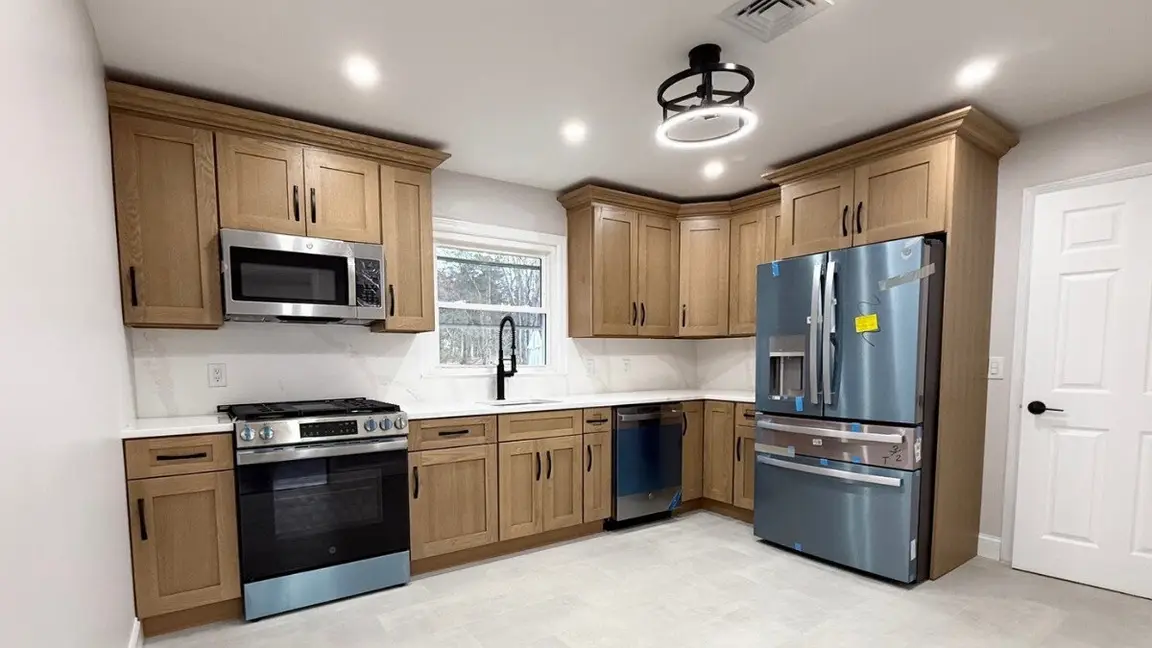
Are Home Inspections Required in New Jersey
Home inspections are not legally required by the state of New Jersey, but they are almost always part of a traditional real estate transaction.
Most buyers include an inspection contingency in the contract, which allows them to inspect the property and request repairs or credits before moving forward.
What Do Home Inspectors Look For?
A home inspection typically evaluates the overall condition of the property, including:
- Roof condition and visible damage
- Electrical systems and wiring
- Plumbing systems
- HVAC (heating and cooling systems)
- Structural components (foundation, framing)
- Windows, doors, and insulation
- Signs of water damage, mold, or pests
Inspectors provide a report outlining issues, which buyers may use to negotiate repairs or credits.
How Inspection Contingencies Work in NJ
In New Jersey, inspection contingencies are usually included in the contract after attorney review.
This gives the buyer a set period (often 7–14 days) to:
- Complete a home inspection
- Request repairs or credits
- Renegotiate the purchase price
- Cancel the contract if issues are too significant
This is one of the most common points where real estate deals fall apart.
NJ Seller Disclosure Requirements
New Jersey sellers are required to disclose known material defects in the property. This includes issues such as:
- Water damage or flooding
- Roof leaks
- Structural problems
- Electrical or plumbing issues
- Mold or environmental hazards
- Past fire damage
- Known code violations or open permits
Failing to disclose known issues can create legal problems even after closing, which is why many sellers choose to address issues upfront or sell the property as-is.
How Inspections Connect to CO and CCO Requirements
In some New Jersey towns, inspections don’t end with the buyer’s home inspection. Municipal inspections for a Certificate of Occupancy (CO) or Certificate of Continued Occupancy (CCO) may also be required before closing.
This means a seller may go through multiple inspections, such as:
- Buyer home inspection
- CO or CCO inspection
- Smoke detector and fire inspection
Multiple inspections are one of the main reasons home sales in New Jersey can become complicated or delayed.
If you want to learn more about CO and CCO requirements, read our guide here:
Certificate of Occupancy Requirements in New Jersey
What Sellers Should Expect After an Inspection
After the inspection, buyers may:
- Request repairs before closing
- Ask for a credit or price reduction
- Request additional inspections
- Walk away from the deal
Even small issues can lead to negotiations, and larger problems can delay or cancel the sale entirely.
Common Inspection Issues in NJ Homes
Because many New Jersey homes are older, inspections often uncover:
- Outdated electrical or plumbing systems
- Roof wear or leaks
- Foundation or structural concerns
- Water damage or mold
- Code violations or open permits
These issues can increase costs and extend timelines for sellers.
Local Reality: Inspections Often Lead to Renegotiation
In many New Jersey transactions, inspections are less about “passing or failing” and more about negotiation.
It’s common for buyers to use inspection reports to request concessions—even for minor issues—which can affect your final sale price or timeline.
Your Options When Facing Inspection Issues
1. Make Repairs Before Listing
Fixing issues ahead of time can reduce negotiation later.
Pros:
- Smoother transaction
- Fewer surprises
Cons:
- Upfront costs
- Time required
2. Negotiate After Inspection
You can wait for the buyer’s inspection and negotiate based on their requests.
Pros:
- Less upfront work
Cons:
- Uncertainty
- Risk of deal falling through
3. Sell Without Inspection Negotiations
Some homeowners explore options that avoid inspections, repair requests, and back-and-forth negotiations.
Pros:
- No repairs required
- No inspection delays
- Faster, more predictable closing
Cons:
- Offer reflects current condition
Learn more here:
Sell Your House Fast for Cash in New Jersey
Example Situation
A homeowner in New Jersey accepted an offer on their property, but during the inspection, several issues were discovered, including roof wear and outdated electrical components. The buyer requested repairs and credits, which led to renegotiation and delayed the closing timeline.
Situations like this are common, especially in older homes where hidden issues are uncovered during inspection.
How to Prepare for a Home Inspection in NJ
If you’re planning to sell traditionally, you can prepare by:
- Fixing obvious safety issues
- Ensuring utilities are working
- Providing access to key areas (attic, basement, systems)
- Addressing known problems ahead of time
Preparation can help reduce surprises during the process.
Frequently Asked Questions
Are home inspections mandatory in NJ?
No, but they are standard in most real estate transactions and typically included in buyer contracts.
Can a buyer back out after an inspection?
Yes. If the contract includes an inspection contingency, buyers can cancel based on inspection results.
Do I have to fix everything found in an inspection?
No. Repairs are negotiable, but unresolved issues may affect the sale.
How long does the inspection process take?
Inspections usually happen within 1–2 weeks after attorney review, depending on scheduling.
Want to Avoid Inspection Delays?
If you want to avoid repairs, renegotiations, and inspection delays, there are options available depending on your situation.
Call 732-372-0940 or fill out the form to explore your options and get a no-obligation offer.