
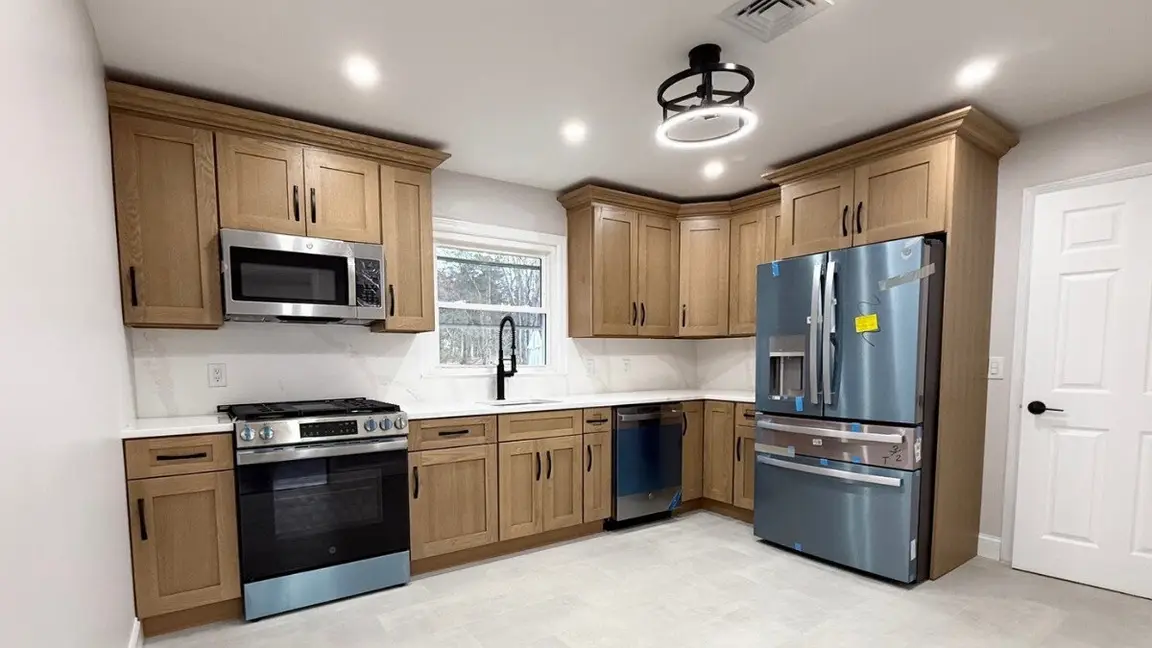
Sell a House With a Reverse Mortgage in New Jersey
Having a reverse mortgage does not prevent you from selling your home.
Many New Jersey homeowners believe a reverse mortgage means the bank owns the property or that selling isn’t possible. Neither is true. You still own your home, and you have the legal right to sell it whenever you choose.
The biggest difference is that the reverse mortgage must be paid off from the proceeds of the sale before you receive any remaining equity.
At Garden State Cash Homes, we regularly help homeowners and families sell properties with reverse mortgages throughout New Jersey. we can help make the process simple.
Can You Sell a House With a Reverse Mortgage?
Yes.
A reverse mortgage does not stop you from selling your home.
The sale process is very similar to any other real estate transaction.
When the property sells:
- The reverse mortgage lender receives the amount owed.
- Closing costs are paid.
- Any remaining equity belongs to you.
If your home has appreciated over the years, many homeowners still walk away with significant proceeds after paying off the loan.
What Is a Reverse Mortgage?
A reverse mortgage allows eligible homeowners—typically those age 62 or older—to borrow against the equity in their home without making monthly mortgage payments.
Instead of paying the lender each month, interest and loan balances accumulate over time.
The loan generally becomes due when:
- The homeowner sells the property
- The homeowner permanently moves out
- The homeowner passes away
- The home is no longer the primary residence
How Does Selling Work?
Selling a home with a reverse mortgage usually follows these steps:
Step 1: Request a Payoff Statement
Your lender provides the exact amount required to pay off the reverse mortgage.
Step 2: Accept an Offer
You can sell through:
- A traditional real estate agent
- A private buyer
- A cash home buyer
The reverse mortgage doesn’t limit who you sell to.
Step 3: Closing
At closing:
- The reverse mortgage is paid first.
- Liens or unpaid taxes are paid if applicable.
- Closing costs are deducted.
- The remaining equity is yours.
Do You Still Own the House?
Yes.
This is one of the biggest misconceptions.
With a reverse mortgage:
- Your name remains on the deed.
- You continue to own the property.
- You decide when to sell.
- You keep any remaining equity after the loan is paid off.
The lender does not own your house.
What Happens If the Home Is Worth More Than the Loan?
This is the best-case scenario.
Example:
Home Value: $575,000
Reverse Mortgage Balance: $210,000
Closing Costs: $15,000
Remaining Equity:
Approximately $350,000
After paying off the loan and closing costs, the remaining proceeds belong to the homeowner.
What If the Loan Balance Is Higher Than the Home Value?
Many reverse mortgages are federally insured and are non-recourse loans.
That generally means neither you nor your heirs are personally responsible for paying more than the home’s value when the loan becomes due, provided the loan terms have been met.
Because every reverse mortgage is different, it’s important to review your loan documents or speak with your lender or attorney if you’re unsure how your loan works.
Can You Sell Before Moving?
Absolutely.
Many homeowners sell because they’re:
- Moving closer to family
- Entering assisted living
- Downsizing
- Relocating
- Reducing maintenance responsibilities
You don’t have to wait until after you move to begin the selling process.
Can Family Members Sell the Home?
Yes.
If the homeowner passes away, the executor or heirs often handle the sale.
The proceeds typically go toward paying off the reverse mortgage first, with any remaining equity distributed according to the estate.
If the estate is in probate, the sale may require additional legal steps depending on the circumstances.
Related Reading:
Can You Sell to a Cash Home Buyer?
Yes.
Many homeowners choose a cash sale because it can:
- Eliminate repairs
- Avoid open houses
- Reduce showings
- Close on your timeline
- Simplify the process during a move or life transition
The reverse mortgage payoff is simply handled during closing by the title company or closing attorney.
Before choosing a buyer, be sure to review our guide on Questions to Ask a Cash Buyer Before Signing so you know what to expect and how to compare your options.
Common Reasons People Sell Homes With Reverse Mortgages
Homeowners often decide to sell because they are:
- Moving into assisted living
- Relocating closer to family
- Downsizing
- No longer able to maintain the home
- Settling an estate
- Selling after the death of a spouse
- Preparing for probate
- Reducing monthly expenses
Why Some Homeowners Choose a Cash Sale
While listing with an agent works well for many sellers, others prioritize convenience and certainty over maximizing price.
A direct cash sale may make sense if you:
- Don’t want to make repairs
- Need flexibility with your moving timeline
- Want to avoid multiple showings
- Are helping a parent transition to assisted living
- Need to settle an estate efficiently
Every homeowner’s situation is different, and the best option depends on your goals.
Frequently Asked Questions
Can I sell my house if I have a reverse mortgage?
Yes. You can sell at any time. The reverse mortgage is simply paid off from the sale proceeds.
Does the bank own my home?
No. You remain the owner of the property.
Do I get any money after selling?
If the home’s value exceeds the reverse mortgage payoff and closing costs, the remaining equity belongs to you.
Can I sell my house without making repairs?
Yes. Some buyers, including cash home buyers, purchase homes as-is.
Can heirs sell a home with a reverse mortgage?
Yes. After the homeowner passes away, heirs or the executor can usually sell the property to satisfy the reverse mortgage balance, subject to estate administration requirements.
Need to Sell a House With a Reverse Mortgage?
If you’re considering selling a home with a reverse mortgage anywhere in New Jersey, Garden State Cash Homes can explain how the process works and provide a no-obligation cash offer.
We buy houses in any condition and work with homeowners, heirs, executors, and families throughout New Jersey. If you decide a cash sale is the right fit, we’ll coordinate with the title company to ensure the reverse mortgage payoff is handled at closing.
Disclaimer
This page is provided for general informational purposes only and should not be considered legal, financial, tax, or mortgage advice. Reverse mortgage terms vary by lender and loan program. Homeowners, heirs, and executors should consult their lender, attorney, financial advisor, or tax professional regarding their specific circumstances before making decisions about selling a property.