
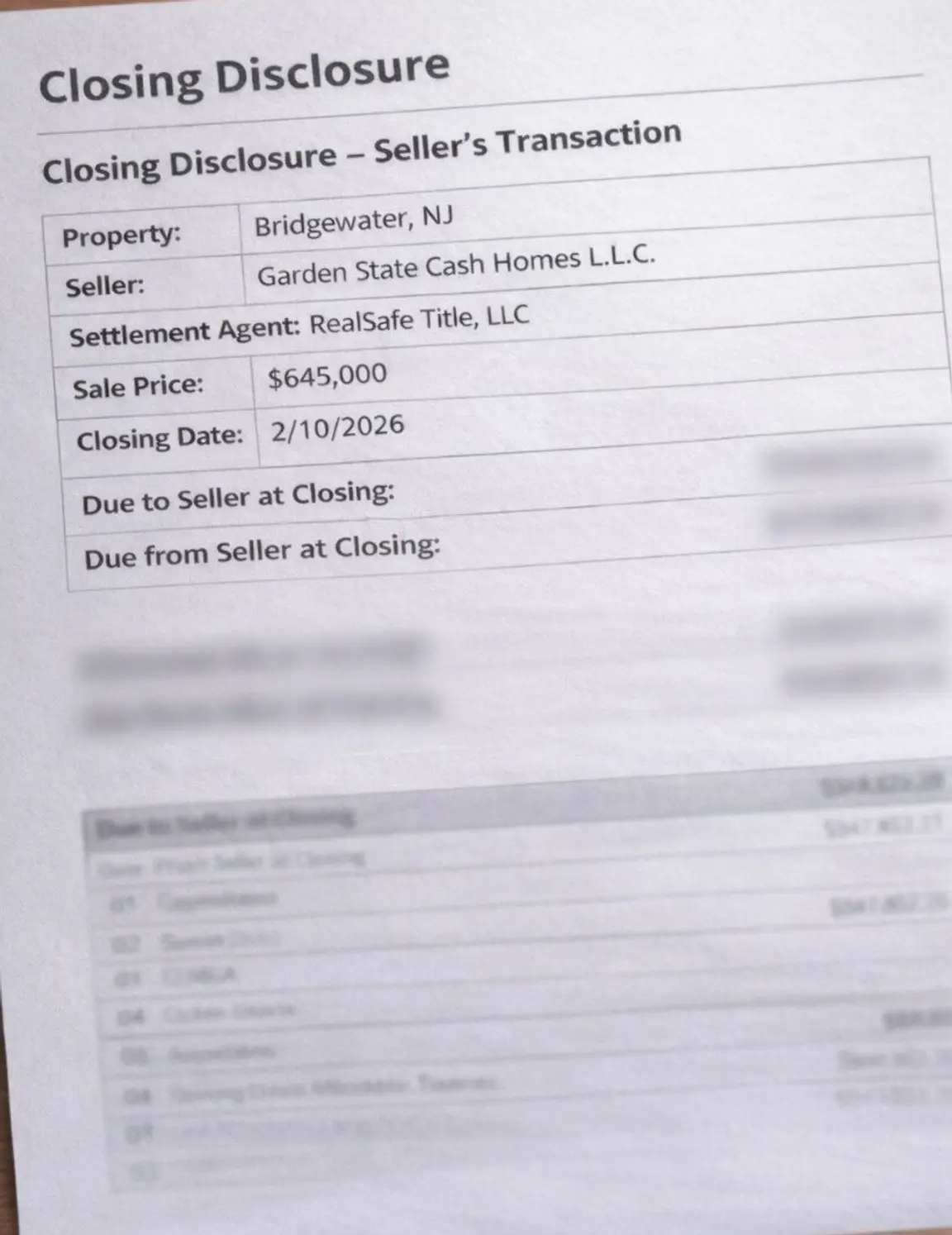
Title Problems Before Closing Can Delay — Or Sometimes Stop — a Sale
One of the most stressful phone calls during a real estate transaction is hearing that “a title issue came up.”
Many homeowners are surprised to learn that problems with the property’s title are sometimes discovered only after the house is already under contract.
In some cases, the issue is minor and can be resolved quickly.
In other situations, title problems can delay closing, create legal complications, or even prevent the sale from moving forward until the issue is fixed.
The good news is that many title issues can still be resolved — especially if they are discovered early enough in the process.
What Is a Title Problem?
A title problem means there is something in the property’s legal history that may affect ownership rights or prevent the property from being transferred cleanly to a buyer.
Before closing, the title company performs a title search to review public records and identify any issues tied to the property.
If something appears that could create a legal or financial problem, it usually must be addressed before closing can happen.
Common Title Problems Found Before Closing
Some title issues are relatively simple.
Others can become serious closing delays.
Common title problems in New Jersey include:
- Mortgage liens
- Tax liens
- Judgments
- Open permits
- Municipal violations
- HOA liens
- Probate or estate issues
- Unknown heirs
- Boundary disputes
- Easement disputes
- Errors in public records
- Missing signatures on old deeds
- Ownership disputes
- Contractor liens
- Bankruptcy issues
- Foreclosure-related title problems
Sometimes sellers already know about these issues.
Other times, they are discovered unexpectedly during the title search.
Can a Title Problem Delay Closing?
Yes.
Title issues are one of the most common reasons real estate closings get delayed.
The amount of delay depends on:
- what the issue is
- how serious it is
- whether documents need to be filed
- whether payoff amounts must be negotiated
- whether attorneys or courts are involved
- how quickly all parties respond
Some title problems are resolved within days.
Others can take weeks or longer depending on the situation.
Can You Still Sell a House With Title Problems?
Sometimes yes.
But it depends on the issue.
Many title problems can still be resolved before closing through:
- lien payoffs
- settlement agreements
- corrective deeds
- probate filings
- municipal approvals
- payoff negotiations
- attorney review
- title curative work
However, some issues are more complicated and may require legal action before the property can legally transfer to a buyer.
What Happens After a Title Problem Is Found?
Once the title company identifies a problem, the transaction usually pauses while the issue is reviewed.
The title company may:
- request additional documents
- contact attorneys
- request lien payoff statements
- review probate records
- verify ownership history
- coordinate with municipalities
- work with lenders or creditors
In many situations, the buyer, seller, attorneys, and title company all work together to try to resolve the issue before the scheduled closing date.
Some Title Problems Are More Common Than Sellers Realize
Many homeowners assume there are no issues because they have owned the property for years.
But title problems can sometimes come from:
- old mortgages that were never discharged
- inherited property complications
- unpaid contractor work
- prior owners
- divorce-related ownership changes
- recording errors
- unresolved permits
- judgments attached to the seller
Sometimes the issue has nothing to do with the current owner personally.
Open Permits and Municipal Issues Can Also Delay Closing
In New Jersey, municipal issues sometimes appear during the closing process.
This may include:
- open permits
- failed inspections
- missing CO/CCO requirements
- smoke detector certification issues
- unpaid water or sewer balances
- township violations
Depending on the town and the transaction, these issues may need to be resolved before closing can happen.
Can a Buyer Back Out Because of a Title Issue?
In some situations, yes.
Many contracts allow buyers to cancel if serious title defects cannot be resolved within a certain timeframe.
This is why title problems can create stress for sellers close to the closing date.
The longer a title issue remains unresolved, the greater the risk of delays, financing issues, or contract complications.
How Long Does It Take To Fix a Title Problem?
There is no universal timeline.
Some title issues can be corrected quickly.
Others may involve:
- courts
- probate
- bankruptcy proceedings
- lien negotiations
- document corrections
- municipal departments
- multiple parties or heirs
The timeline often depends on how quickly documents, approvals, and payoff information can be obtained.
What Happens If the Title Issue Cannot Be Resolved?
If the issue cannot be resolved, the transaction may:
- be delayed
- require renegotiation
- require legal action
- fall through completely
In some situations, alternative solutions may still exist depending on the buyer, the title company, and the specific problem involved.
Cash Home Buyers and Title Problems
Some cash home buyers are more willing to work through complicated title situations than traditional retail buyers.
This is especially true in situations involving:
- probate
- foreclosure
- inherited properties
- liens
- distressed properties
- code violations
- delayed municipal approvals
However, even cash transactions usually still require the title issue to be addressed before ownership can legally transfer.
How To Reduce the Risk of Closing Delays
One of the best things sellers can do is identify possible issues early.
That may include:
- checking for open permits
- confirming payoff amounts
- reviewing ownership records
- resolving judgments
- gathering probate paperwork
- speaking with an attorney early if legal issues exist
The earlier title problems are discovered, the more options may still be available before closing.
FAQ — Title Problems Before Closing
Can title issues stop a closing?
Yes. Some title problems must be resolved before ownership can legally transfer to the buyer.
Are title problems common?
Yes. Title issues are more common than many homeowners realize, especially with older properties, inherited homes, probate situations, or properties with liens.
Can a house be sold with a lien on it?
Sometimes. In many cases, liens must be paid or resolved at closing before the transfer can happen.
Can open permits delay closing in New Jersey?
Yes. Some municipalities or buyers may require open permits or inspection issues to be resolved before closing.
What is the most common title issue?
Mortgage liens, tax liens, judgments, probate issues, and recording errors are among the most common title problems.
Can title problems be fixed?
Many can. The solution depends on the specific issue and whether legal or municipal action is required.
Selling a House Fast in New Jersey With Title Problems
Title issues can sometimes make a traditional home sale more difficult, especially when buyers, lenders, or closing timelines become delayed. Situations involving liens, probate, judgments, open permits, or ownership issues can create unexpected complications during the closing process.
Some homeowners looking to sell a house fast in New Jersey explore alternative options when title problems appear close to closing or when repairs, legal issues, or delays start affecting the transaction timeline.
Understanding the issue early may help homeowners avoid additional delays and better understand what solutions may still be available depending on the property and situation.
Disclaimer
This content is for informational purposes only and does not constitute legal advice. Title issues, real estate laws, and closing requirements can vary depending on the transaction and the specific circumstances involved. Homeowners should consult with a qualified real estate attorney or title professional regarding their situation.
