
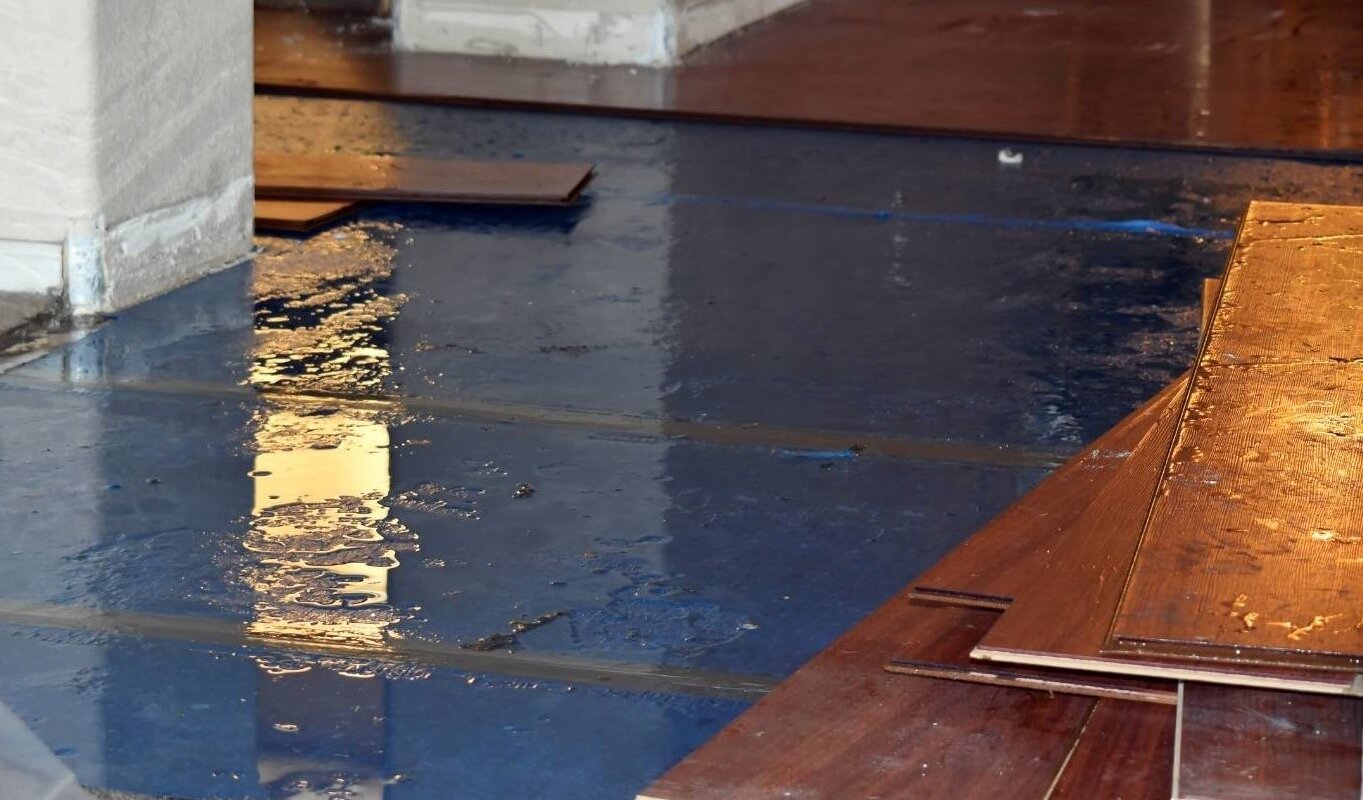
What Is Considered Water Damage in New Jersey?
Water damage generally refers to interior damage caused by sources inside the home, including:
- Burst or frozen pipes
- Outdated or leaking plumbing
- Appliance failures (washers, dishwashers, water heaters)
- Roof leaks
- HVAC condensation or overflow
Unlike flood damage, water damage is not caused by rising external water. This distinction matters when it comes to insurance coverage, disclosures, and buyer perception.
Water Damage vs Flood Damage (Important Distinction)
Not all water damage is considered flood damage under New Jersey law.
Flood damage involves rising external water, such as storm surge, river overflow, or groundwater intrusion. Water damage from interior sources — like burst pipes or appliance leaks — is typically classified as sudden or accidental water damage.
If water damage resulted from rising external water, New Jersey flood disclosure rules apply. Learn more about selling a flood-damaged house in New Jersey by linking this phrase to your flood page.
Understanding this difference helps homeowners avoid unnecessary flood disclosures while remaining legally compliant.
Do You Have to Disclose Water Damage When Selling in NJ?
Yes — material water damage must be disclosed.
New Jersey sellers are required to disclose:
- Prior water intrusion
- Repairs related to water damage
- Mold remediation, if applicable
- Known plumbing or roof issues
Even if repairs were completed, prior water damage that could affect the property’s condition or value must be disclosed to buyers.
Does Homeowners Insurance Cover Water Damage?
Often, yes — but it depends on the cause.
Water damage may be covered if it is:
- Sudden and accidental
- Caused by a burst pipe or appliance failure
Insurance may not cover:
- Long-term leaks
- Wear and tear
- Deferred maintenance
Coverage disputes and exclusions are common, which is why many NJ homeowners weigh repair costs against selling.
Mold Growth Caused by Water Damage
Mold growth is a common result of unresolved or poorly dried water damage. In New Jersey’s climate, mold can begin developing within 24–48 hours after water intrusion.
Water damage that often leads to mold includes:
- Burst or leaking pipes
- Appliance failures
- Roof leaks
- Basement or crawlspace moisture
- Long-term plumbing issues
Even if the original water issue has been repaired, lingering moisture can still result in mold growth, which may raise inspection concerns and disclosure obligations.
If mold has developed, homeowners should understand their options for repairing or selling a mold-damaged house in New Jersey.
Repair vs Sell — How NJ Homeowners Decide
There is no single right answer. Water-damaged homeowners in New Jersey typically consider two main paths.
Repair and List Traditionally
This may make sense if:
- Damage was limited and cosmetic
- Insurance covers repairs
- The home has no history of recurring leaks
However, repairs can delay listing and still raise inspection concerns.
Sell a Water-Damaged House As-Is
Many homeowners choose this option when:
- Repairs are costly or uncertain
- Insurance coverage is limited or delayed
- Time, relocation, or stress is a factor
Selling as-is avoids repairs, showings, and buyer financing delays while still requiring honest disclosure.
How Water Damage Can Affect Property Value
Even when repaired, water damage can impact:
- Buyer confidence
- Inspection results
- Appraisal outcomes
Recurring water issues or visible past damage may reduce buyer demand, which is why selling as-is can be a practical option rather than a last resort.
Selling a Water-Damaged House As-Is in New Jersey
Selling as-is does not mean hiding damage. It means:
- Disclosing known water damage
- Selling without making repairs
- Choosing a faster, more predictable closing
Local New Jersey buyers familiar with water damage, disclosures, and insurance challenges can help homeowners move forward without repair obligations.
When Selling As-Is Makes Sense
Homeowners often choose to sell as-is when:
- Water damage keeps returning
- Repairs would delay a move
- Insurance payouts are uncertain
- The home feels like a constant project
For many, clarity and certainty outweigh chasing top dollar.
Next Steps for NJ Homeowners
If your home has water damage:
- Document the damage
- Review insurance coverage
- Understand disclosure obligations
- Compare repair costs vs selling options
Speaking with a knowledgeable local buyer can help clarify timelines without pressure.
