
What to Do If Your Pipes Burst in New Jersey
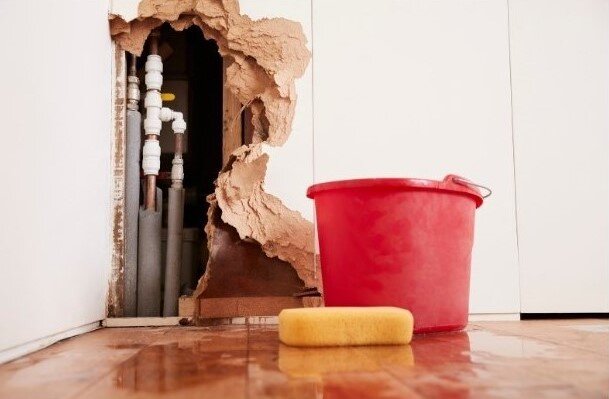
A burst pipe is one of the most disruptive home emergencies a New Jersey homeowner can face. In a matter of minutes, pressurized water can flood living spaces, damage walls and floors, and create long-term moisture problems if not handled correctly.
This guide explains what to do if your pipes burst in New Jersey, including immediate steps, insurance considerations, disclosure rules, and what risks homeowners should be aware of after the initial emergency.
Step 1: Shut Off the Water Immediately
The first priority after a pipe bursts is stopping the flow of water. Locate and shut off the home’s main water supply as soon as possible. In many New Jersey homes, this valve is located near the water meter, basement, or crawlspace.
If the pipe is actively spraying water and the shutoff valve is not accessible, contacting the local water utility or emergency plumbing services may be necessary.
Step 2: Address Electrical and Safety Risks
Standing water can create serious electrical hazards. If water has reached outlets, appliances, or electrical panels, it may be unsafe to remain in the home until power is shut off.
In situations involving extensive flooding, homeowners should prioritize personal safety and avoid entering affected areas until professionals confirm it is safe to do so.
Step 3: Document the Damage
Before cleanup begins, document the damage thoroughly:
- Take photos and videos of affected areas
- Capture the source of the burst pipe if visible
- Record the time and date of the incident
This documentation can be critical for insurance claims, contractor assessments, and future disclosures.
Step 4: Drying and Moisture Control
Even after visible water is removed, moisture often remains behind walls, under floors, and in insulation. Without proper drying, this trapped moisture can lead to mold growth within days.
Professional drying equipment is often required to fully address hidden moisture. Simply mopping or using household fans is rarely sufficient after a significant pipe burst.
Common Causes of Burst Pipes in New Jersey Homes
Burst pipes in NJ homes are frequently caused by:
- Freezing temperatures during winter cold snaps
- Unheated or vacant properties
- Aging or corroded plumbing systems
- Poor insulation around exposed pipes
- Sudden pressure changes in plumbing lines
Older homes and seasonal or inherited properties are particularly vulnerable.
Does Homeowners Insurance Cover Burst Pipes in New Jersey?
Homeowners insurance may cover damage from a sudden and accidental pipe burst, but coverage often depends on circumstances such as:
- Whether the home was occupied
- Whether heat was maintained during winter
- Whether the damage was sudden or occurred over time
Insurance claims may be limited or denied if the property was vacant, improperly maintained, or if the damage was not reported promptly. Coverage also does not guarantee full reimbursement for repairs.
Do You Have to Disclose a Past Pipe Burst in New Jersey?
New Jersey sellers are required to disclose known material defects. A prior pipe burst may need to be disclosed if it resulted in:
- Structural damage
- Ongoing moisture issues
- Mold growth
- Incomplete or temporary repairs
Even if repairs were completed, buyers may ask about prior water events during inspections. Transparency helps reduce the risk of disputes after a sale.
Secondary Risks After a Pipe Burst
A pipe burst can create issues beyond immediate water damage, including:
- Mold development due to lingering moisture
- Warped flooring and structural deterioration
- Electrical corrosion or failures
- Reduced buyer confidence during future inspections
Some of these issues may not be immediately visible, making proper assessment important.
When a Pipe Burst Leads to Larger Decisions
In some cases, pipe-related damage is limited and repairable. In others, the extent of moisture intrusion, repair costs, or insurance complications may create broader challenges for homeowners.
When a burst pipe results in significant water damage, homeowners may need to understand their longer-term options. General information about selling a water-damaged house in New Jersey can be found here:
Selling a Water-Damaged House in New Jersey
Key Takeaways for New Jersey Homeowners
- Shut off water and address safety risks immediately
- Document all damage before cleanup
- Understand insurance limitations, especially for vacant homes
- Be aware of disclosure requirements related to prior water events
- Monitor for mold and hidden moisture after the incident
Knowing what to do early can help prevent further damage and complications later.
This information is provided by Garden State Cash Homes, a New Jersey–based home buying company that works with properties affected by water-related issues.