
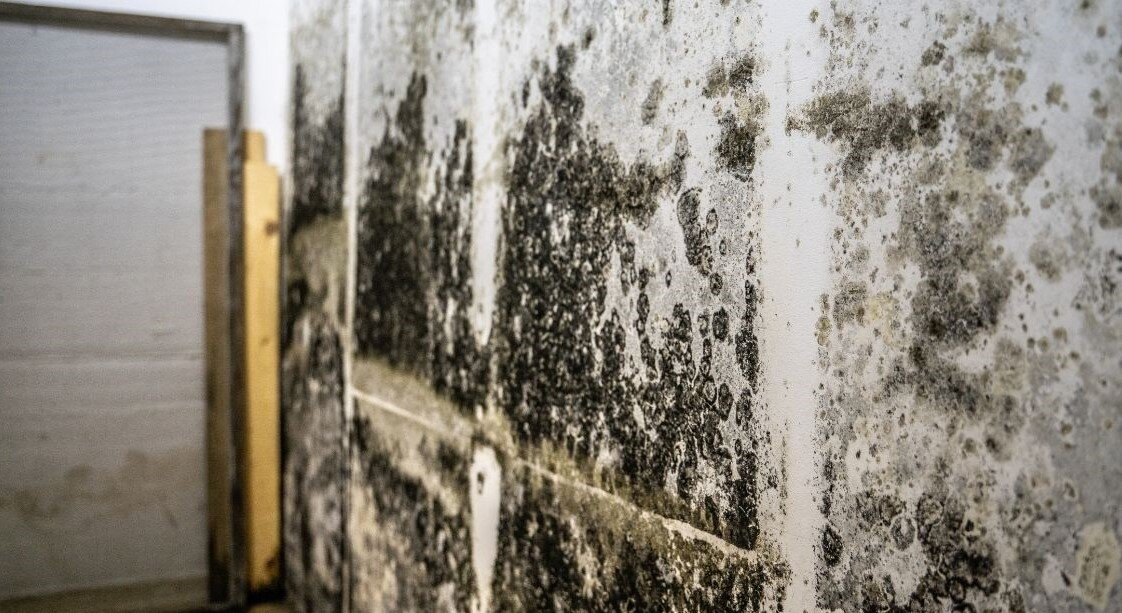
How to Sell a Mold-Damaged House in New Jersey
Mold damage is often the result of unresolved water or moisture issues. In New Jersey’s climate, mold can develop quickly and affect a home’s condition, value, and selling options. Homeowners dealing with mold often face uncertainty around disclosures, insurance, and whether repairs are worth the time and cost.
This guide explains what mold damage means in New Jersey, what must be disclosed, and the options available to homeowners.
What Causes Mold Damage in New Jersey Homes?
Mold grows when moisture is present and not fully eliminated. In New Jersey, mold commonly develops within 24 to 48 hours after water intrusion, especially in humid or poorly ventilated areas.
Common causes of mold damage include:
- Burst or leaking pipes
- Roof leaks
- Appliance failures (washing machines, dishwashers, water heaters)
- Basement or crawlspace moisture
- Poor ventilation or high indoor humidity
- Prior water damage that was not properly dried
Mold is rarely the original problem — it is usually a symptom of an underlying moisture issue.
Mold Damage vs Water Damage vs Flood Damage
Mold damage is distinct from both water damage and flood damage, though it is often connected to one or the other.
- Water damage typically comes from interior sources such as plumbing leaks or appliance failures
- Flood damage results from rising external water, such as storm surge, river overflow, or groundwater
- Mold damage develops when moisture from either source remains unresolved
If mold formed after water damage, disclosures focus on water intrusion and mold history.
If mold developed following flooding, flood disclosure requirements may also apply.
Understanding this distinction helps homeowners avoid misclassification while remaining compliant with New Jersey disclosure laws.
Do You Have to Disclose Mold When Selling a House in New Jersey?
Yes. Known mold growth and prior mold remediation must be disclosed when selling a home in New Jersey.
Sellers are required to disclose:
- Visible mold
- Past mold remediation or treatment
- Ongoing moisture or ventilation issues
- Water intrusion that contributed to mold growth
Even if mold has been remediated, prior issues that could affect the property’s condition or value should still be disclosed. Failure to disclose known mold problems can create legal risk after closing.
Does Homeowners Insurance Cover Mold Damage?
Insurance coverage for mold damage is often limited and depends on the cause.
Mold may be covered if it resulted from a sudden and accidental water event, such as a burst pipe. Mold caused by long-term leaks, humidity, or deferred maintenance is commonly excluded.
Because coverage disputes are frequent and remediation costs can be unpredictable, many New Jersey homeowners carefully weigh whether repairs make financial sense.
Repairing Mold vs Selling a Mold-Damaged House
There is no single right choice. Homeowners typically consider two main options.
Repair and Remediate Mold
This may make sense if:
- Mold is limited and localized
- The moisture source has been fully resolved
- Remediation costs are manageable
However, remediation can be disruptive, time-consuming, and may still raise inspection concerns during a traditional sale.
Sell a Mold-Damaged House As-Is
Many homeowners choose to sell as-is when:
- Mold is widespread or recurring
- Moisture issues are difficult to fully eliminate
- Repairs would delay relocation or create financial strain
Selling as-is still requires full disclosure but avoids remediation delays, inspections, and buyer financing issues.
How Mold Damage Can Affect Property Value
Mold damage can impact:
- Buyer confidence
- Inspection results
- Appraisal outcomes
- Financing approval
Even after remediation, some buyers remain cautious about properties with a mold history. For this reason, selling as-is can be a practical decision rather than a last resort.
Selling a Mold-Damaged House As-Is in New Jersey
Selling as-is does not mean hiding mold damage. It means:
- Disclosing known mold issues honestly
- Selling without completing repairs
- Choosing a faster and more predictable closing
Local New Jersey cash home buyers familiar with mold damage, moisture issues, and disclosure requirements can help homeowners move forward without repair obligations.
When Selling As-Is Makes Sense
Homeowners often choose to sell as-is when:
- Mold continues to return
- Moisture problems persist despite repairs
- Remediation costs outweigh potential value gains
- The home feels overwhelming or unsafe to occupy
For many sellers, certainty and reduced stress matter more than maximizing price.
Next Steps for NJ Homeowners Dealing With Mold
If your home has mold damage:
- Identify the moisture source
- Review insurance coverage
- Understand disclosure obligations
- Compare remediation costs vs selling options
Speaking with a knowledgeable local buyer can help clarify timelines and outcomes without pressure.
