
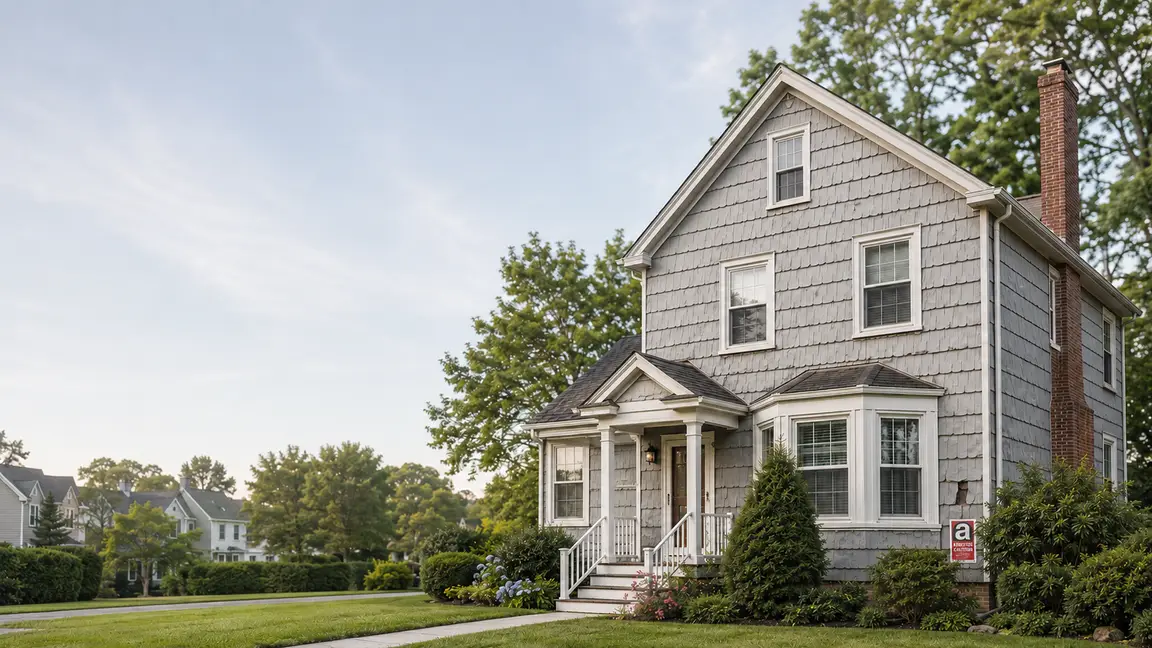
Sell a House with Asbestos in NJ: What Homeowners Need to Know
If you’re wondering whether you can sell a house with asbestos in New Jersey, the answer is yes. Whether your home has asbestos siding, pipe insulation, ceiling tiles, flooring, or another asbestos‑containing material, you can legally sell it as long as you properly disclose what you know. Many New Jersey homeowners choose to sell their asbestos house as‑is to avoid the cost, delays, and uncertainty of asbestos removal.
For more detail on New Jersey’s disclosure expectations, you can review the New Jersey Seller’s Property Condition Disclosure Statement and national guidance on asbestos from federal environmental agencies.
Is It Legal to Sell a House with Asbestos in New Jersey?
You can legally sell an asbestos house in New Jersey, and the law does not require you to remove asbestos before selling. What the law does require is that you disclose any known material defects and environmental hazards, including asbestos, on the Seller’s Property Condition Disclosure Statement.
- New Jersey’s disclosure form asks about environmental hazards such as asbestos, lead‑based paint, mold, radon, and other health‑related risks.
- The state focuses on your personal knowledge of the property; you are not required to hire inspectors solely for the disclosure form.
- Federal rules do not specifically mandate residential asbestos disclosure in the same way they do for lead, but sellers are expected to disclose known environmental hazards.
In practice, you answer questions truthfully based on what you know from past inspections, repairs, or testing — not speculation.
Common Places Asbestos Is Found in New Jersey Homes
Because asbestos was widely used in residential construction for decades due to its fire‑resistant and insulating properties, homes built before the early 1980s are more likely to contain asbestos‑containing materials.
Typical locations in older New Jersey homes include:
- Exterior asbestos cement siding.
- Pipe insulation and boiler wrap in basements or mechanical rooms.
- Vermiculite insulation in attics.
- Popcorn ceilings and some acoustic ceiling tiles.
- Vinyl floor tiles and the adhesive (mastic) beneath them.
- Certain roofing materials and flashing.
- HVAC duct wrap and insulation on or around ductwork.
State health agencies generally recommend periodically checking known asbestos for breakage, tears, or water damage and seeking professional advice if you’re unsure about a material.
Friable vs. Non‑Friable Asbestos: Why It Matters
Not all asbestos poses the same level of concern. Asbestos that is intact and undisturbed (non‑friable) generally presents much less risk than damaged or crumbling (friable) asbestos, which can release fibers into the air.
- Non‑friable asbestos: Solid, hard materials such as intact siding, tiles, or pipe insulation that haven’t been disturbed; usually managed by leaving in place, covering, or encapsulating.
- Friable asbestos: Materials that are easily crushed or crumbled when dry, such as deteriorating insulation or damaged ceiling texture, which may require abatement.
This distinction affects buyer concerns, inspection findings, and whether a lender or municipality will require remediation. It also influences whether selling as‑is to a cash buyer or pursuing removal makes more sense in your situation.
Typical Asbestos Removal Costs in New Jersey
Asbestos removal is specialized work, and New Jersey homeowners must follow state rules for notification, handling, and disposal. Costs vary widely depending on the type of material, accessibility, and contractor pricing, but ballpark ranges look like this:
Note: Every asbestos project is different. The figures below are general estimates based on common New Jersey pricing and should not be considered contractor quotes.
Typical Asbestos Removal Costs in New Jersey
| Project Type | Typical Cost Range (NJ) |
|---|---|
| Pipe insulation | $800–$2,500 |
| Ceiling tiles / texture | $1,000–$3,000 |
| Flooring (tiles + mastic) | $2,000–$6,000 |
| Asbestos siding (partial) | $4,000–$12,000 |
| Whole‑house abatement | $15,000–$30,000+ |
In many cases, asbestos siding removal alone can run roughly $7–$10 per square foot, with whole‑house projects easily exceeding $15,000.
Costs vary based on:
- Accessibility and size of the affected area.
- Local contractor rates and union labor.
- Permits and notification requirements.
- Disposal fees at approved facilities.
Because of these costs, many sellers prefer to disclose and sell as‑is, especially when a fast sale is important.
How Cash Buyers Evaluate a House with Asbestos
Cash buyers and investors don’t automatically reject properties because they contain asbestos. They evaluate them like any other project, but they factor in the added risk and cost.
Typically, they consider:
- Where the asbestos is located — exterior siding vs. interior insulation vs. flooring.
- Condition — non‑friable and intact vs. friable or damaged.
- Estimated remediation or covering cost — based on local abatement pricing and disposal rules.
- Overall property value and exit strategy — resale, rental, or long‑term hold.
Rather than requiring you to remove the asbestos yourself, a cash buyer will usually adjust the offer to account for realistic remediation costs. This gives you the option to sell your house as-is in New Jersey without completing the work before closing.
Example: Selling an Asbestos House As‑Is in New Jersey
A homeowner in New Jersey inherited a house with older asbestos siding and suspected asbestos in the attic insulation. Removal quotes showed full abatement could cost more than $10,000 and require formal notification and specialized disposal.
Instead of paying for abatement before listing, they:
- Disclosed the known asbestos on the New Jersey Seller’s Property Condition Disclosure Statement.
- Sold the property as‑is to a cash buyer who planned to cover the siding and manage the interior insulation during renovation.
By selling as‑is, they avoided the up‑front expense and uncertainty of remediation while still closing quickly.
Where We Buy Asbestos Houses in New Jersey
We regularly purchase homes with asbestos across New Jersey, including:
- Bergen County
- Burlington County
- Camden County
- Essex County
- Hudson County
- Mercer County
- Morris County
- Middlesex County
- Monmouth County
- Ocean County
- Passaic County
- Union County
- Sumerset County
and many other cities and towns covered in our “Where we buy houses in NJ” pages.
Whether you’re in a shore community, a suburban neighborhood, or an older urban area, we can evaluate your property and make an as‑is cash offer.
Should You Remove the Asbestos Before Selling?
There is no single correct answer; it depends on the type and condition of asbestos, your budget, and your timeline.
| Situation | Usually Makes Sense |
|---|---|
| Minor asbestos siding in good condition | Disclose and sell as‑is; consider covering |
| Non‑friable flooring or tiles in limited areas | Disclose; removal optional |
| Friable pipe or attic insulation | Consider professional abatement |
| Extensive renovation planned before resale | Removal may be worthwhile for long‑term ROI |
| Need to sell quickly or avoid major expenses | Sell as‑is to a cash buyer |
New Jersey agencies generally advise against DIY removal and recommend using licensed abatement contractors if remediation is chosen.
Typical Timeline for Selling a House with Asbestos
Understanding the timeline helps you choose between a traditional sale and a cash sale.
Traditional Sale (with an Agent)
- Listing and marketing
- Buyer inspection (asbestos often identified here)
- Renegotiation over repairs or credits
- Contractor estimates for abatement or covering
- Repairs or negotiated credits
- Final appraisal and underwriting
- Closing
This process can stretch into several months, especially if you decide to remediate asbestos before closing.
Cash Sale (As‑Is)
- Property evaluation (walkthrough or photos)
- Cash offer based on condition and asbestos location
- Disclosure of known asbestos on the seller’s form
- Title work and closing preparation
- Closing on your chosen date
Cash sales often close in a matter of days or weeks, without the need for repairs, credits, or lender approval.
What New Jersey Law Really Requires You to Do
New Jersey’s seller disclosure rules focus on known conditions, not forcing sellers to become environmental experts.
- You must disclose environmental hazards like asbestos, mold, and radon that you actually know about.
- Guidance from state authorities clarifies that sellers are not required to hire independent inspectors just to complete the disclosure form; they answer based on their personal knowledge.
- National resources recommend sharing any test results or abatement records you have and directing buyers to official asbestos information for more background.
This approach protects you from future legal issues while giving buyers a clear picture of the property.
Frequently Asked Questions
Can I sell a house with asbestos siding or insulation in NJ?
Yes. You can sell a house with asbestos as long as you disclose what you know on the New Jersey Seller’s Property Condition Disclosure Statement. Removal is not legally required in most cases.
Will asbestos automatically fail a home inspection?
Inspectors often flag suspected asbestos and recommend further evaluation or management. Lenders may require action if materials are friable, but intact non‑friable materials are often acceptable if handled properly.
Can a buyer back out because of asbestos?
If the contract includes an inspection contingency, buyers can usually walk away or renegotiate when asbestos is discovered. This is one reason many sellers prefer working with cash buyers who expect older‑home conditions.
Does homeowners insurance cover asbestos removal?
Many policies do not cover routine asbestos abatement, but coverage may apply if removal is tied to a covered loss (such as fire or certain types of water damage). You’ll need to review your policy or speak with your insurer.
Can I sell a rental property with asbestos in NJ?
Yes, but you must disclose known asbestos to buyers and comply with habitability and landlord–tenant laws while you still own the property. Investors regularly buy rental properties with asbestos and factor remediation into their plans.
Does asbestos always have to be removed?
No. In many cases, asbestos that is in good condition can be safely left in place or encapsulated rather than removed. Whether removal is necessary depends on the material’s condition, planned renovations, buyer requirements, and applicable regulations. A qualified asbestos professional can help determine the best approach.
Related Topics You May Want to Read
If you’re dealing with asbestos, you may also be facing other issues like age, damage, or inherited property. Helpful next steps include:
- Sell a House As‑Is in New Jersey
- Sell a House with Mold Damage in NJ
- Sell a House with Fire or Water Damage in NJ
- Sell a House with Code Violations or Unpermitted Work in NJ
- Selling an Inherited House in New Jersey
- New Jersey Home Seller Disclosure Guide
- Closing Costs When Selling a House in New Jersey
Internal links to these pages strengthen your site’s topical authority and help homeowners explore all their options.
Need to Sell a House with Asbestos in New Jersey?
Selling a house with asbestos doesn’t have to be overwhelming. Whether your home has asbestos siding, insulation, floor tiles, or another asbestos‑containing material, you still have options — including selling directly to a cash buyer who will purchase the property as‑is.
Garden State Cash Homes buys houses throughout New Jersey in any condition. There are no repairs, no cleanup, and no obligation.
Wondering What Your Asbestos Home Is Worth?
We’ll evaluate your property based on its condition, location, and current market value — not just the presence of asbestos. You’ll receive a fair, no‑obligation cash offer, and if it isn’t the right fit, there’s absolutely no pressure to move forward.
Request your free cash offer today and choose the closing date that works best for you.
Disclaimer
This article is for general informational purposes only and is not legal, environmental, or professional advice. Asbestos requirements vary by property and may change. Do not disturb suspected asbestos. Consult a New Jersey real estate attorney and licensed asbestos professional for guidance. Costs and timelines are estimates and are not guaranteed.
