
Sell a House With Structural Issues in New Jersey (As-Is Options Explained)
Structural damage can make selling a house in New Jersey feel overwhelming — especially when buyers, inspectors, and lenders start raising concerns.
Cracked foundations, sagging floors, bowing basement walls, or framing damage often trigger inspection red flags that cause retail deals to fall apart.
If your house has structural issues, you still have options.
You are not stuck.
What Counts as a Structural Issue?
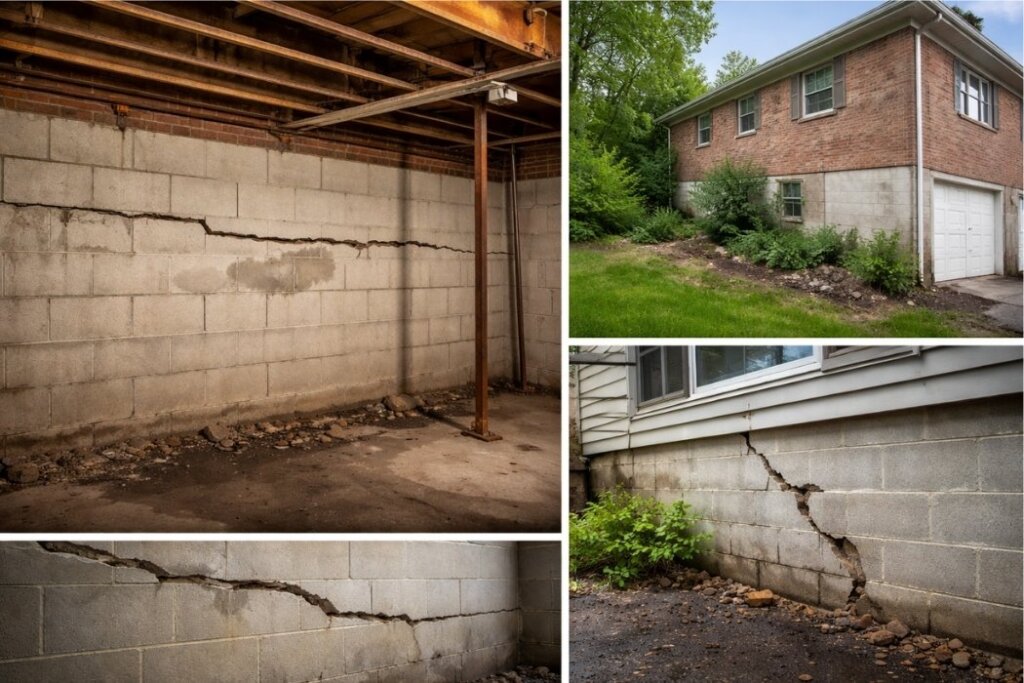
Structural issues affect the core integrity of a home. In New Jersey, common examples include:
• Foundation settlement or horizontal cracking
• Bowing or leaning basement walls
• Sagging floor joists or beams
• Chimney separation from the house
• Load-bearing wall damage
• Roof framing failure
• Structural damage from water intrusion
• Long-term termite damage affecting framing
These problems typically require engineering evaluation and can cost thousands — sometimes tens of thousands — to repair.
Why Structural Damage Complicates a Traditional Sale
When selling through a real estate agent:
• Buyers almost always order inspections
• Structural issues trigger repair demands
• Lenders may deny financing
• Appraisals may come in lower
• Deals frequently collapse during attorney review
Even if you list the home “as-is,” most buyers will still request credits or walk away.
In competitive New Jersey markets, buyers have options — and many avoid homes with known structural risk.
Should You Repair Structural Problems Before Selling?
This depends on your situation.
Repairing structural issues may:
• Increase resale value
• Make financing easier for retail buyers
But repairs also involve:
• Hiring a structural engineer
• Obtaining permits
• Managing contractors
• Risk of cost overruns
• Living through disruption
• Waiting months before listing
For some homeowners, that investment makes sense.
For others — especially those facing time pressure, inheritance situations, or financial strain — selling as-is provides certainty without additional risk.
Can You Sell a House With Structural Issues in NJ?
Yes.
Homes with structural damage sell every day in New Jersey — typically to experienced buyers who understand renovation costs and risk.
When selling directly to a cash home buyer in New Jersey:
• No bank approval is required
• No appraisal contingency
• No repair obligation
• No inspection renegotiation
The offer reflects the home’s current condition, including structural repair costs.
If you’d like a full overview of how a direct sale works, you can review how we buy houses in NJ for a detailed explanation of the process.
What If You Already Have an Engineer’s Report?
If you’ve received a structural engineer’s report:
• It can help clarify scope of repairs
• It provides cost estimates
• It reduces uncertainty
If you don’t have one, that’s okay. An experienced buyer can evaluate the visible condition and factor repairs into the offer.
You are not required to complete structural repairs before exploring your selling options.
Common Scenarios We See
Homeowners often contact us when:
• Repair estimates exceed available savings
• The property was inherited and needs major repairs
• The home has been vacant for years
• Foundation damage was discovered during inspection
• There are multiple issues (structural + liens + taxes)
Structural problems can feel intimidating — but they do not make your property unsellable.
What Happens During Closing With Structural Issues?
In a direct cash sale:
• Title is reviewed through a licensed NJ title company
• Structural repairs are not required before closing
• The property transfers as-is
• The timeline is agreed upon upfront
The process is often simpler than trying to satisfy lender requirements for retail buyers.
Is Selling As-Is the Right Move?
A structurally damaged home can be:
• Repaired and listed traditionally
• Sold to a builder or investor
• Sold directly for cash
The best option depends on your timeline, finances, and stress tolerance.
If you’re unsure, the first step is simply understanding your options.
You can request information without committing to anything.
Frequently Asked Questions About Selling a Structurally Damaged Home in NJ
Can I sell a house with structural damage in New Jersey?
Yes. Structurally damaged homes sell every day in NJ. Traditional buyers may require repairs, but experienced buyers can purchase properties as-is.
Will a bank finance a house with structural problems?
Often no. Significant structural issues can prevent lender approval. That’s why many structurally damaged homes are sold to cash buyers.
Do I have to disclose structural issues in NJ?
Yes. New Jersey requires sellers to disclose known material defects, including structural damage, on the property disclosure form.
How much do structural repairs cost in New Jersey?
Costs vary widely. Minor foundation repairs may cost a few thousand dollars, while major structural stabilization can reach $20,000–$50,000 or more depending on severity.
Should I repair structural damage before selling?
It depends on your timeline and finances. Some homeowners renovate for higher retail value. Others sell as-is to avoid upfront costs and delays.