
Can You Sell a House With an Underground Oil Tank in New Jersey?
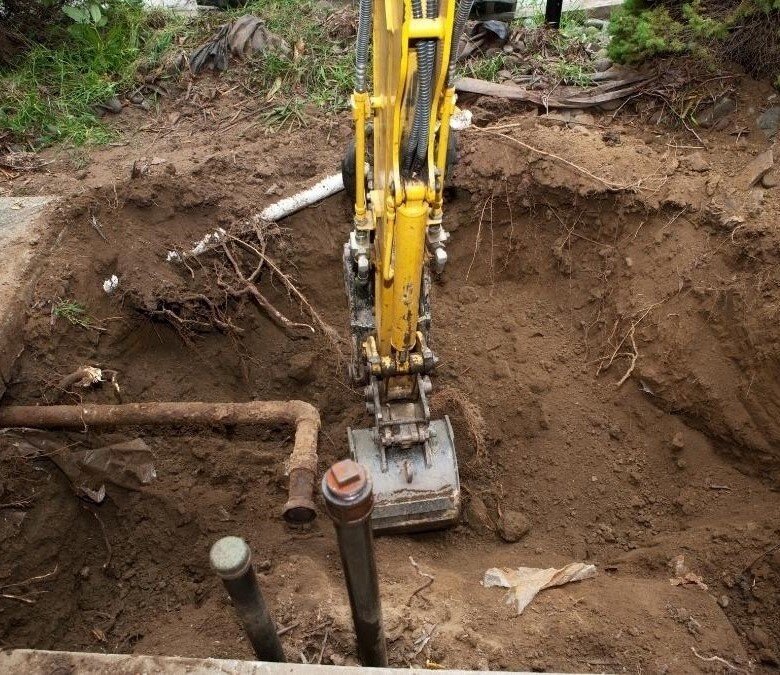
Yes — you can sell a house with an underground oil tank in New Jersey, even if the tank has not been removed or has failed a tank sweep. Many NJ homeowners choose to sell as-is rather than pay for removal, testing, or potential environmental cleanup.
That said, underground oil tanks are one of the most misunderstood and stressful issues for sellers in New Jersey. The rules, risks, and costs are often unclear — especially when a sale is time-sensitive.
This guide explains how underground oil tanks affect selling a home in NJ, what your options are, and why some homeowners choose a direct cash sale instead of repairs or remediation.
What Is an Underground Oil Tank?
An underground oil tank is a buried tank—usually steel—once used to store heating oil. These tanks were common in New Jersey homes built before the 1970s, particularly in suburban and rural areas.
Many of these tanks are no longer in use, but even an abandoned or unused tank can still impact a home sale, especially if it hasn’t been properly decommissioned or documented.
Why Underground Oil Tanks Cause Problems When Selling
Underground oil tanks create issues not because every tank leaks—but because buyers and lenders treat them as a potential environmental risk.
Common problems include:
• Failed oil tank sweeps during inspections
• Lenders refusing to finance homes with active or unknown tanks
• Buyers backing out due to cleanup fears
• High removal or remediation estimates
• Uncertainty about soil contamination
Even a suspected tank can delay or kill a deal.
What Is an Oil Tank Sweep?
An oil tank sweep is a non-invasive inspection used to detect underground tanks. It’s often required by buyers or lenders during a real estate transaction in New Jersey.
If a sweep finds:
- No tank → the sale usually proceeds
- A tank → the buyer may demand removal or testing
- Signs of leakage → lenders often walk away
This is where many traditional home sales fall apart.
Do You Have to Disclose an Underground Oil Tank in New Jersey?
Yes. Known underground oil tanks are considered material defects under New Jersey seller disclosure laws.
You must disclose:
- Known underground tanks
- Prior tank removals
- Known leaks or contamination
- Failed tank sweeps or environmental reports
Failing to disclose can create legal risk after closing.
This does not mean you must remove the tank before selling — only that you must be honest about what you know.
Disclosure and environmental handling requirements are outlined by the New Jersey Department of Environmental Protection guidance on heating oil tanks.
How Much Does It Cost to Remove an Underground Oil Tank in NJ?
Costs vary widely depending on condition and soil impact.
Typical ranges:
- Tank removal only: $2,000 – $6,000
- Soil testing: additional cost
- Contamination cleanup: can exceed $10,000+
Because cleanup costs are unpredictable, many homeowners decide not to take that financial risk—especially if they don’t plan to keep the home long-term.
Can You Sell a House As-Is With an Underground Oil Tank?
Yes. New Jersey allows homeowners to sell properties as-is, including homes with underground oil tanks, as long as disclosures are made.
Many homeowners choose selling a house as-is in New Jersey to avoid removal costs, inspections, and lender delays.
Selling as-is means:
- No tank removal required
- No soil remediation upfront
- No buyer inspection demands
- No lender financing conditions
This option is commonly chosen by:
- Inherited property owners
- Executors handling estates
- Sellers facing time pressure
- Homeowners avoiding large upfront costs
Why Cash Buyers Are Often Used for Oil Tank Properties
Most traditional buyers rely on mortgages. Most lenders do not like underground oil tanks.
Cash buyers eliminate:
- Bank requirements
- Environmental contingencies
- Inspection renegotiations
- Closing delays
That’s why many NJ homeowners with oil tanks sell directly to local cash buyers who understand these issues and price them into the offer.
Selling With an Underground Oil Tank vs Removing It
There is no single “right” choice. It depends on your timeline, finances, and risk tolerance.
Some homeowners remove the tank to maximize resale value.
Others sell as-is to avoid:
- Uncertain cleanup costs
- Deal-breaking inspections
- Months of delays
The key is understanding your options before committing money or time.
We Buy Houses in New Jersey With Underground Oil Tanks
At Garden State Cash Homes, we regularly purchase New Jersey homes with:
- Active or abandoned underground oil tanks
- Failed oil tank sweeps
- Prior contamination
- Environmental uncertainty
We buy properties as-is, without requiring tank removal, inspections, or lender approvals. Our process is designed for sellers who want clarity, speed, and certainty.
How the As-Is Selling Process Works
The process is straightforward:
- Share basic property details
- We evaluate the situation (including known tank issues)
- Receive a no-obligation cash offer
- Choose your closing timeline
No repairs. No inspections. No pressure.
Frequently Asked Questions About Underground Oil Tanks in NJ
Can I sell my house if the oil tank has not been removed?
Yes. Removal is not legally required to sell, as long as you disclose what you know.
Will buyers always require tank removal?
Most financed buyers do. Cash buyers typically do not.
What if I don’t know whether there’s a tank?
You are only required to disclose known information. Suspected tanks are often handled through sweeps or sold as-is.
Is contamination always present with old tanks?
No. Many tanks are clean. The problem is uncertainty, not guaranteed leakage.
Final Thought for NJ Homeowners
Underground oil tanks don’t mean you’re stuck or forced into expensive remediation. In New Jersey, selling as-is is a legitimate, common solution—especially when time, cost, or uncertainty are concerns.
Understanding your options puts you back in control of the decision.