
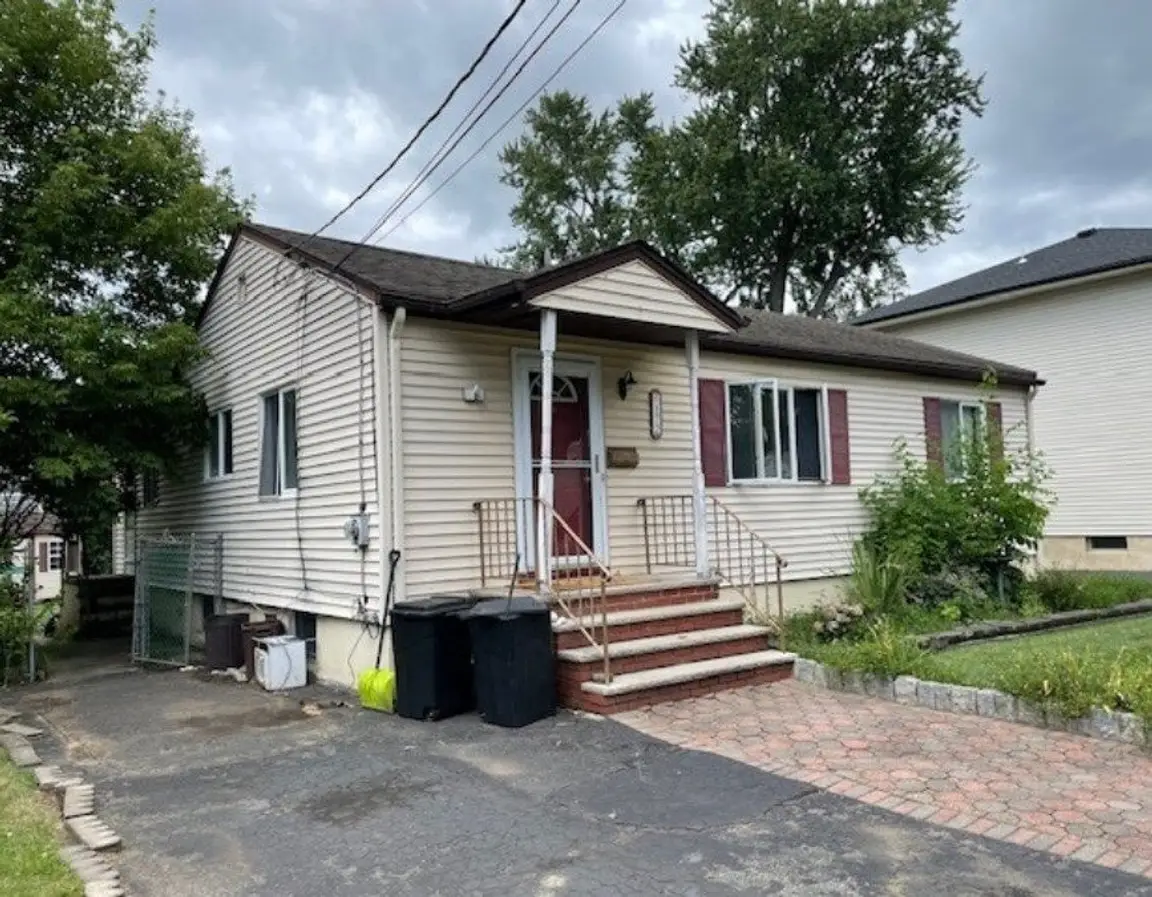
Served Foreclosure Papers in New Jersey?
If you were just served with a forecloure complaint in New Jersey, you are not alone — and you are not automatically losing your house tomorrow.
For many homeowners, receiving foreclosure papers is the moment things suddenly become real. The paperwork can feel overwhelming, confusing, and urgent. Some homeowners avoid opening the documents entirely because they are afraid of what happens next.
But in New Jersey, foreclosure is a legal process that usually takes time, and homeowners may still have options depending on the situation.
This page explains what typically happens after a foreclosure complaint is filed in New Jersey, what the timeline may look like, and what homeowners may still be able to do before the property reaches sheriff sale.
What Is a Foreclosure Complaint in New Jersey?
A foreclosure complaint is the formal lawsuit filed by the lender in court after mortgage payments have fallen behind and earlier notices have already been sent.
In New Jersey, foreclosure is a judicial foreclosure state, which means the lender cannot simply take the property without going through the court system first.
The complaint is usually filed in the:
- Superior Court of New Jersey
- Chancery Division
- Office of Foreclosure
Once filed, the homeowner is officially being sued for foreclosure.
Why Homeowners Usually Receive a Foreclosure Complaint
A foreclosure complaint is commonly filed after:
- multiple missed mortgage payments
- failed loan modification attempts
- unresolved default notices
- long-term financial hardship
- job loss
- divorce
- medical bills
- probate or inherited property issues
- adjustable-rate mortgage increases
- property tax or insurance escrow shortages
Some homeowners know foreclosure is coming.
Others are shocked when the papers arrive.
In many situations, homeowners may have ignored earlier notices because they hoped things would improve financially before the lender escalated the process.
What the Foreclosure Papers Usually Include
The foreclosure packet may contain:
- the foreclosure complaint itself
- a summons
- information about the lender
- the amount allegedly owed
- legal notices
- instructions about filing a response
- court information
- loan history details
- property information
The documents may look intimidating because they are written in formal legal language.
Some homeowners assume this means foreclosure is immediate.
Usually, it is not.
What Happens Immediately After the Complaint Is Filed
After the complaint is filed, several things may happen.
1. The Homeowner Is Served
The lender must formally serve the foreclosure paperwork.
This is often done through:
- certified mail
- regular mail
- personal delivery
- a process server
Ignoring the papers does not stop the foreclosure.
2. A Deadline to Respond Begins
In New Jersey, homeowners generally have a limited period to respond after being served.
If no response is filed, the lender may request default judgment later in the process.
Some homeowners:
- file a formal legal answer
- hire a foreclosure defense attorney
- pursue loss mitigation
- negotiate directly with the lender
- attempt reinstatement
- explore bankruptcy
- sell the property before sheriff sale
Others do nothing because they believe there are no remaining options.
3. The Case Moves Through the Court System
Foreclosure in New Jersey is usually not immediate.
The case may continue through multiple stages including:
- filing
- service
- response period
- lender review
- possible mediation
- motion practice
- final judgment
- sheriff sale scheduling
Depending on the county, backlog, and legal activity, the timeline can vary significantly.
Does Receiving a Foreclosure Complaint Mean You Will Immediately Lose the House?
No.
Receiving a foreclosure complaint does not usually mean immediate eviction or immediate loss of ownership.
Many foreclosure cases in New Jersey take months — and sometimes longer — before reaching sheriff sale.
The exact timeline depends on factors such as:
- whether the homeowner responds
- whether loss mitigation is pending
- court backlog
- bankruptcy filings
- contested litigation
- loan modification review
- lender delays
- title issues
- probate complications
Some homeowners remain in the property for a substantial period after the complaint is filed.
Can You Still Sell the House After a Foreclosure Complaint Is Filed?
In many cases, yes.
A foreclosure complaint does not automatically prevent a homeowner from selling the property.
Depending on the situation, homeowners may still be able to:
- sell traditionally
- sell directly to a cash buyer
- pursue a short sale
- negotiate payoff amounts
- resolve arrears at closing
- avoid sheriff sale entirely
However, timing becomes increasingly important once foreclosure has formally started.
The longer the process continues:
- the more legal fees may accumulate
- the more interest may accrue
- the fewer options may remain
- the closer the case may move toward judgment and sheriff sale
What If the House Has Little or No Equity?
Some homeowners believe there is no point in acting because they think the house has no remaining equity.
But even in difficult situations, there may still be reasons to explore options early.
For example:
- foreclosure damage to credit may continue growing
- additional fees may increase
- liens may become more complicated
- bankruptcy options may change over time
- sheriff sale outcomes are unpredictable
- title problems may worsen
In some cases, homeowners may still be able to negotiate resolutions before the process advances further.
What Happens If You Ignore the Foreclosure Complaint?
Ignoring the foreclosure complaint usually does not stop the case.
If no action is taken, the lender may continue moving toward:
- default
- final judgment
- sheriff sale
Many homeowners delay action because they feel overwhelmed or embarrassed.
Unfortunately, waiting too long can reduce flexibility.
Can Bankruptcy Stop Foreclosure After a Complaint Is Filed?
In some situations, bankruptcy may temporarily stop foreclosure activity through the automatic stay.
However:
- bankruptcy does not automatically eliminate the mortgage
- not all homeowners qualify
- outcomes vary depending on the chapter filed
- court approval may still be required for certain actions
Homeowners considering bankruptcy should speak with a qualified bankruptcy attorney to understand their specific situation.
Garden State Cash Homes is not a law firm and does not provide legal advice.
What Is the Difference Between a Foreclosure Complaint and Sheriff Sale?
These are completely different stages.
Foreclosure Complaint
This is the beginning of the formal court foreclosure process.
At this stage:
- the lender files the lawsuit
- the homeowner is served
- options may still exist
Sheriff Sale
This happens much later if the foreclosure continues through the court system.
At sheriff sale:
- the property is auctioned
- ownership may transfer
- timelines become far more urgent
Many homeowners confuse the two stages, but there is often a significant amount of time between them.
Common Questions Homeowners Ask After Receiving a Foreclosure Complaint
“How long do I have?”
Every foreclosure case is different.
Some move faster than others depending on:
- the lender
- the courtServed Foreclosure Papers in New Jersey?
- A foreclosure complaint can make it feel like time has already run out — but in many New Jersey cases, there may still be steps you can take before the process reaches sheriff sale.
- Garden State Cash Homes helps New Jersey homeowners understand their selling options when foreclosure has already moved into the court stage.
- Get a fair cash offer before the situation becomes more urgent.
- homeowner response
- legal filings
- bankruptcy
- mediation
- payoff issues
“Can I stay in the house?”
In many cases, homeowners remain in the property throughout much of the foreclosure process.
Foreclosure does not usually mean immediate removal from the home.
“Can I still catch up on payments?”
Possibly.
Some lenders may allow reinstatement, repayment plans, modifications, or other resolutions depending on the circumstances.
“Can I still sell the property?”
Often yes — especially earlier in the process before sheriff sale approaches.
“Should I wait?”
Many homeowners wait because they hope things improve financially.
But earlier action may preserve more options.
Why Some Homeowners Choose to Sell Before Foreclosure Advances
Some homeowners decide that resolving the property before sheriff sale provides more control and certainty.
This may especially apply when:
- repairs are needed
- payments are severely behind
- liens exist
- inherited property complications exist
- bankruptcy is involved
- tenants occupy the property
- the homeowner relocated already
- the property is vacant
- foreclosure stress has become overwhelming
Some sellers prefer direct-sale solutions because they want:
- a faster closing
- fewer contingencies
- no repairs
- reduced uncertainty
- flexibility on timing
We Buy Houses in New Jersey Before Sheriff Sale
At Garden State Cash Homes, we work with homeowners across New Jersey who are facing difficult situations including foreclosure.
We buy houses as-is throughout New Jersey and may be able to help before the foreclosure process advances further.
Depending on the situation, homeowners may still have time to:
- sell before sheriff sale
- avoid repairs
- avoid agent commissions
- resolve difficult property situations
- move on from unwanted financial pressure
There is never any obligation to sell.
Final Thoughts
Receiving a foreclosure complaint in New Jersey can feel extremely stressful, but it does not necessarily mean all options are gone.
For many homeowners, this stage is still early enough to:
- understand the timeline
- explore legal or financial options
- negotiate with the lender
- consider selling
- avoid additional complications later
Every foreclosure situation is different, and the best next step depends on the homeowner’s goals, equity position, timeline, and financial circumstances.
The earlier homeowners begin understanding their options, the more flexibility they may still have.
