
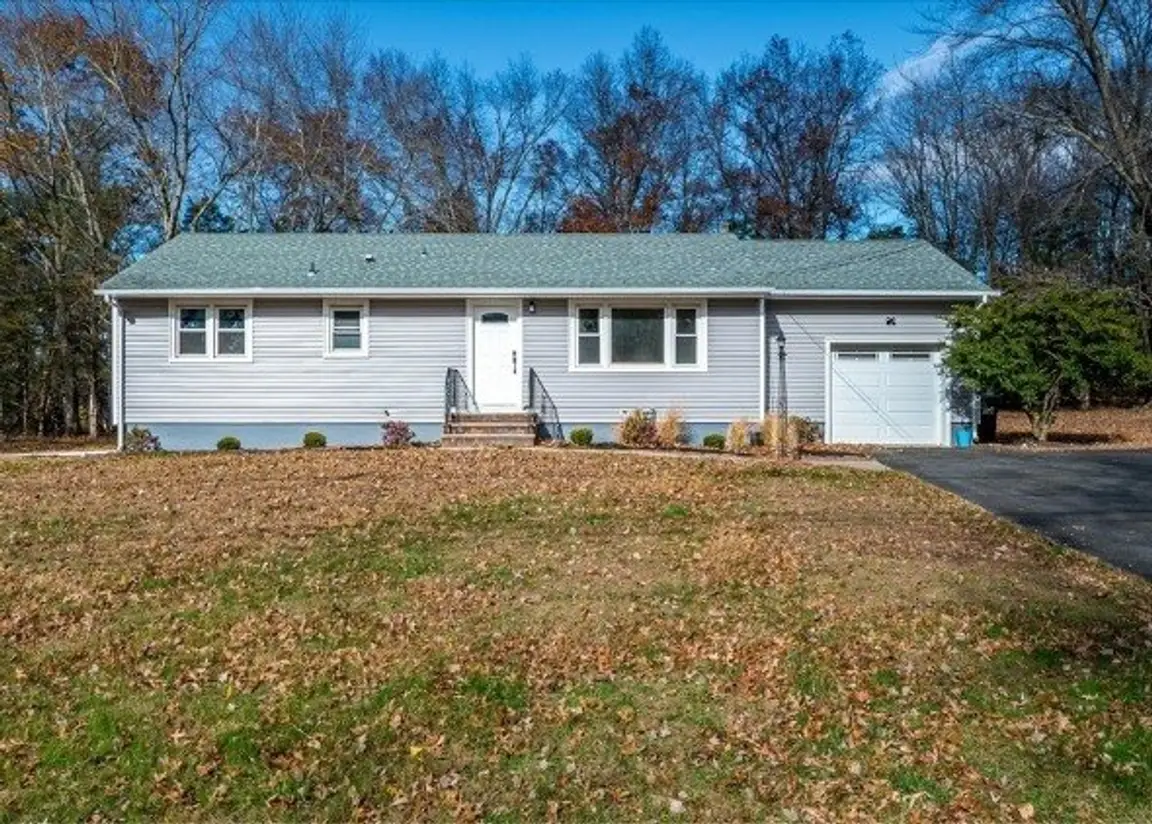
What Happens at Closing in New Jersey
If you’re selling a house in New Jersey, the closing is the final step where ownership of the property is officially transferred to the buyer and you receive your proceeds from the sale.
Understanding what happens at closing in NJ can help you prepare for the process and avoid last-minute surprises.
Who Is Involved in a NJ Closing?
A typical New Jersey real estate closing may involve:
- The buyer
- The seller
- Real estate attorneys
- The title company
- The buyer’s lender (if financing is involved)
- Real estate agents (if applicable)
In many New Jersey transactions, the closing is handled by a title company, with attorneys involved in preparing and reviewing documents.
What Happens Before Closing Day?
Before closing can happen, several steps must be completed:
- Attorney review completed
- Home inspection completed
- Appraisal completed (if buyer has a loan)
- Title search completed
- Mortgage approval (if applicable)
- Certificate of Occupancy (CO) or CCO completed (if required)
- Final closing date scheduled
If any of these steps are delayed, the closing date may be pushed back.
What Sellers Need to Bring to Closing
If you are selling a house in New Jersey, you may need:
- Photo ID
- House keys
- Garage door openers
- Alarm codes
- Signed closing documents
- Forwarding address for final documents
Your attorney or title company will tell you exactly what is required before closing day.
What Documents Are Signed at Closing?
At closing, the seller typically signs:
- The deed transferring ownership
- Closing statement (HUD-1 or Closing Disclosure)
- Affidavits and legal documents
- Bill of sale (if applicable)
- Payoff authorization for any mortgages
These documents finalize the transfer of ownership to the buyer.
How Sellers Get Paid at Closing
In New Jersey, sellers typically receive their money by wire transfer after closing is completed.
The title company will:
- Pay off any existing mortgage
- Pay closing costs and fees
- Send the remaining proceeds to the seller
Funds are usually wired the same day or within 24 hours after closing.
Common Closing Costs for Sellers in NJ
Seller closing costs in New Jersey may include:
- Realty transfer tax
- Attorney fees
- Mortgage payoff
- Recording fees
- Prorated property taxes
- Municipal fees
Closing costs vary depending on the property and transaction.
What Can Delay Closing in New Jersey?
Some of the most common closing delays include:
- Title issues or liens
- Open permits or code violations
- CO or CCO inspection issues
- Buyer financing problems
- Appraisal issues
- Inspection negotiations
- Attorney review delays
Many NJ real estate transactions are delayed due to one of these issues.
Final Walkthrough Before Closing
Before closing, the buyer usually does a final walkthrough to make sure:
- The property is in the agreed condition
- Repairs (if any) were completed
- The house is empty (unless otherwise agreed)
- No new damage occurred
After the final walkthrough, the closing can proceed.
Typical NJ Closing Timeline
| Step | Timeline |
|---|---|
| Contract Signed | Day 0 |
| Attorney Review | 3–7 Days |
| Inspection Period | 7–14 Days |
| Appraisal & Mortgage | 2–4 Weeks |
| Title & Municipal | 2–4 Weeks |
| Closing | 30–60 Days |
Every transaction is different, but most traditional NJ sales close in 30–60 days.
Frequently Asked Questions
How long does closing take in NJ?
Most closings take 30–60 days, depending on financing, inspections, and municipal requirements.
Do I need to attend closing in person?
Not always. Some closings can be done remotely depending on the situation.
When do I get paid after closing?
Sellers are typically paid by wire transfer the same day or within 24 hours after closing.
Can closing be delayed?
Yes. Title issues, inspections, financing, and CO requirements are common causes of delays.
Want a Faster Closing?
Some homeowners choose to sell without inspections, financing delays, or attorney negotiations, depending on their situation and timeline.
Learn more here:
Sell Your House Fast for Cash in New Jersey
Disclaimer
This content is provided for informational purposes only and does not constitute legal, tax, or financial advice. Real estate transactions in New Jersey often involve attorneys, title companies, and municipal requirements. Sellers and buyers should consult with a qualified real estate attorney or title professional regarding their specific transaction.
