
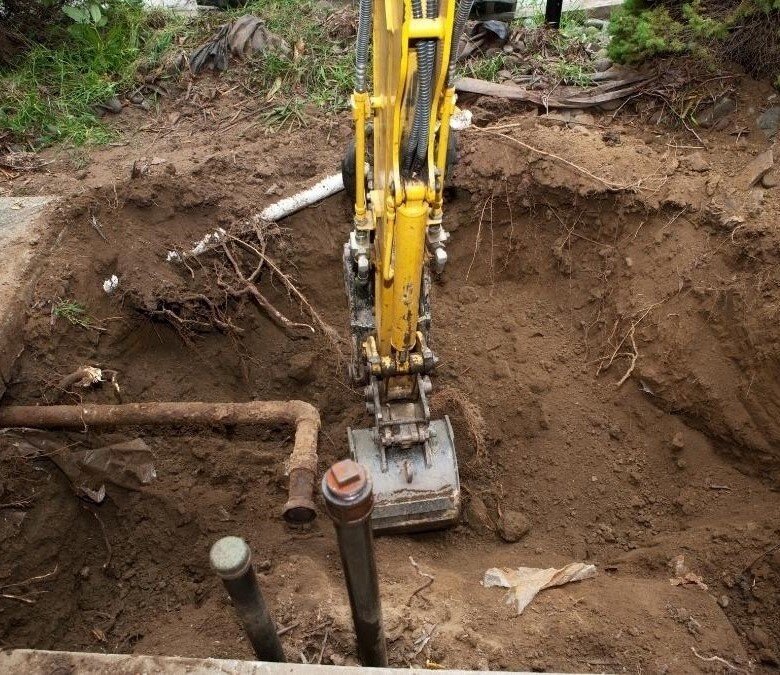
Can You Sell a House With an Underground Oil Tank in New Jersey?
Yes—you can sell a house with an underground oil tank in New Jersey, even if the tank is still in the ground, has not been removed, or was discovered during an oil tank sweep.
While underground oil tanks can complicate a real estate transaction, they do not automatically prevent you from selling your home.
Every year, homeowners across New Jersey successfully sell properties with active underground oil tanks, abandoned tanks, failed tank sweeps, and even properties requiring environmental remediation.
The key is understanding your options before deciding whether to remove the tank, negotiate with a buyer, or sell the property as-is.
This guide explains how underground oil tanks affect home sales in New Jersey, what buyers and lenders look for, the costs you may encounter, and why many homeowners choose to sell without making repairs or removing the tank first.
Need to Sell a House With an Underground Oil Tank?
Get a free, no-obligation cash offer for your New Jersey property. We buy houses with active or abandoned underground oil tanks, failed oil tank sweeps, and properties sold as-is.
What Is an Underground Oil Tank?
An underground oil tank (UST) is a buried storage tank that was originally installed to hold heating oil for residential heating systems.
These tanks were commonly installed throughout New Jersey before natural gas became widely available, particularly in homes built before the 1970s.
Many homeowners later converted their heating systems to natural gas, but not every underground oil tank was removed.
Some tanks were professionally removed.
Some were properly abandoned in place.
Others were simply forgotten.
Years later, homeowners often discover an underground tank only after putting their house on the market.
Underground vs. Above-Ground Oil Tanks
Not every heating oil tank creates the same concerns during a home sale.
Underground Oil Tanks
Underground tanks are buried beneath the property, making it difficult to determine their condition without specialized equipment.
Because the tank cannot be seen, buyers and lenders often worry about questions such as:
- Is the tank still active?
- Has it ever leaked?
- Was it properly abandoned?
- Is contamination present?
- Is documentation available?
These uncertainties are why underground tanks receive much more attention during real estate transactions.
Above-Ground Oil Tanks
Above-ground tanks are installed inside the home or outside above ground.
Because they are visible, buyers can usually evaluate their condition more easily.
While above-ground tanks may still need maintenance or replacement, they generally create fewer financing and inspection concerns than underground tanks.
Active vs. Abandoned Underground Oil Tanks
One of the first questions buyers ask is whether the underground oil tank is still active.
Active Underground Oil Tanks
An active underground oil tank is still connected to the home’s heating system and continues storing heating oil.
These tanks typically receive the most attention during home inspections because they remain in use.
Abandoned Underground Oil Tanks
An abandoned tank is no longer connected to the home’s heating system but remains underground.
Many abandoned tanks were properly decommissioned years ago.
Others were left in place when homeowners converted to natural gas.
If documentation cannot be located, buyers may request additional inspections before moving forward.
Simply having an abandoned underground oil tank does not automatically prevent a home from being sold.
Why Underground Oil Tanks Can Complicate a Home Sale
One of the biggest misconceptions is that underground oil tanks are automatically a problem.
In reality, uncertainty is usually the biggest concern.
Buyers, lenders, and insurance companies often have questions that need to be answered before closing.
Some of the most common issues include:
- Failed oil tank sweeps
- Unknown tank locations
- Missing removal documentation
- Concerns about soil contamination
- Environmental testing
- Financing restrictions
- Buyer hesitation
- Unexpected removal estimates
Many traditional buyers have never dealt with an underground oil tank before.
As a result, even a perfectly functional tank can create concerns if buyers don’t understand the risks involved.
One of the Biggest Misconceptions About Underground Oil Tanks
One of the most common questions we hear from New Jersey homeowners is:
“Does an underground oil tank mean I can’t sell my house?”
The answer is no.
Homes with underground oil tanks are bought and sold throughout New Jersey every year.
The important questions usually aren’t whether a tank exists.
Instead, buyers want to know:
- Is the tank active or abandoned?
- Has it ever leaked?
- Is there documentation showing previous removal or abandonment?
- Will the buyer’s lender approve financing?
- Will additional testing be required?
Understanding the answers to those questions often has a much bigger impact on the sale than simply having a tank on the property.
What Is an Oil Tank Sweep?
An oil tank sweep is a non-invasive inspection performed to determine whether an underground oil tank is present beneath a property.
Sweeps are commonly requested during New Jersey real estate transactions, especially when buyers suspect an older home may have previously been heated with oil.
If the sweep finds:
- No underground tank: the transaction generally continues without additional concerns.
- An underground tank: the buyer may request additional information, testing, or removal.
- Evidence suggesting contamination: additional environmental evaluations may be recommended before closing.
Many homeowners don’t discover an underground tank until this stage of the selling process, which is why oil tank sweeps often become one of the biggest surprises during a real estate transaction.
What Happens if Contamination Is Found?
One of the biggest fears homeowners have is discovering that an underground oil tank has leaked.
The good news is that not every underground oil tank leaks, and not every property with a tank requires expensive environmental cleanup.
However, if contamination is discovered during testing or tank removal, additional steps may be required before a traditional sale can move forward.
Depending on the situation, this may include:
- Soil testing
- Environmental assessments
- Tank removal
- Soil remediation
- Clearance documentation
Every property is different, so there is no standard cleanup cost or timeline.
The amount of work depends on factors such as the size of the leak, the condition of the tank, and recommendations from environmental professionals.
Do You Have to Disclose an Underground Oil Tank in New Jersey?
If you know about an underground oil tank, a previous tank removal, or related contamination, you should disclose that information to prospective buyers. New Jersey’s seller disclosure form asks about current and previously removed heating-oil tanks, so sellers should provide all known information and supporting documentation when available.
Disclosure does not automatically mean the tank must be removed before the sale. It means buyers should be informed about known material conditions that may affect the property, the transaction, or the cost of ownership.
Known information may include:
- An active underground oil tank
- An abandoned underground oil tank
- A previously removed oil tank
- The location or approximate age of the tank, if known
- Known leaks or suspected contamination
- Environmental reports
- Failed oil-tank sweep results
- Soil-testing results
- Soil remediation that has already been completed
- Tank-removal, closure, or NJDEP documentation
If an oil tank has been removed or contamination has been addressed, provide copies of any available contractor reports, soil-testing results, closure documents, or remediation records. Having this documentation can help answer buyer questions and reduce avoidable delays.
Being honest from the beginning often prevents misunderstandings later in the transaction. If you are unsure what must be disclosed or how a known tank affects your sale, consult a New Jersey real estate attorney, title company, or qualified environmental professional.
Do You Have to Remove an Underground Oil Tank Before Selling?
New Jersey does not automatically require every underground residential oil tank to be removed before a property is sold. However, the buyer, mortgage lender, title company, municipality, or environmental conditions may affect what is required in a particular transaction.
If a leak or contamination is suspected, additional reporting, testing, or remediation may be necessary. A confirmed discharge may also trigger reporting obligations to the New Jersey Department of Environmental Protection. Sellers should consult a qualified environmental professional or New Jersey real estate attorney about the requirements for their specific property.
Whether removal becomes necessary depends on several factors, including:
- The buyer’s requirements
- The buyer’s lender
- The condition of the tank
- Whether contamination is suspected or confirmed
- Available removal, closure, or soil-testing documentation
- Local municipal requirements
- The terms negotiated during the sale
Some homeowners decide to remove the tank before listing because they believe doing so may make the property more attractive to buyers or reduce financing concerns. Others choose to sell the property with the tank still in place, depending on the buyer and transaction terms.
Neither approach is automatically right or wrong. The best option depends on your timeline, budget, the tank’s condition, available documentation, possible contamination, and overall selling goals.
Before removing a tank or listing the property, consider speaking with a licensed environmental contractor, title company, or New Jersey real estate attorney. Getting advice early can help you understand the potential costs and avoid delays later in the transaction.
How Much Does Underground Oil Tank Removal Cost?
Removal costs vary considerably from one property to another.
Several factors influence the total cost, including:
- The size of the tank
- Accessibility
- Local permit requirements
- Soil testing
- Whether contamination is discovered
While every situation is unique, homeowners often encounter costs such as:
| Service | Typical Cost Range |
|---|---|
| Underground oil tank removal | $2,000–$6,000 |
| Soil testing | Additional cost on scope |
| Environmental remediation | Can exceed $10,000+ depending on conditions |
These figures are general estimates, not a quote. Actual costs vary based on the tank’s size, location, accessibility, permits, contractor, soil conditions, groundwater, and whether contamination is discovered. Some NJ industry sources report uncontaminated removal costs around $1,500–$4,000, while contaminated sites can become substantially more expensive
Who Usually Pays for Testing or Removal?
There is no universal answer.
Responsibility is negotiated between the buyer and seller.
Some sellers remove the tank before listing the property.
Others provide a credit at closing instead.
Some buyers agree to purchase the home with the underground tank still in place.
Every transaction is different.
The agreement often depends on market conditions, the condition of the property, financing requirements, and the willingness of both parties to negotiate.
How Underground Oil Tanks Affect Buyer Financing
One of the biggest reasons underground oil tanks complicate traditional home sales is because they can affect mortgage financing.
Some lenders require additional documentation before approving a loan.
Others may request:
- Tank removal documentation
- Environmental reports
- Soil testing
- Evidence that contamination has been properly addressed
If contamination is discovered, some lenders may delay financing until the issue has been resolved.
Cash buyers generally do not rely on mortgage financing.
That doesn’t eliminate every concern associated with an underground oil tank, but it often removes one of the biggest obstacles that delays traditional transactions.
Can You Sell a House As-Is With an Underground Oil Tank?
Yes.
Many New Jersey homeowners choose to sell properties with underground oil tanks as-is rather than paying for removal or environmental work before selling.
Selling as-is generally means the property is offered in its current condition without the seller agreeing to complete repairs or improvements before closing.
Homeowners often choose this option when they:
- Want to avoid expensive upfront costs
- Have inherited a property
- Need to sell quickly
- Are relocating
- Don’t want to manage environmental contractors
- Prefer a simpler transaction
Selling as-is does not eliminate disclosure requirements, but it does allow buyers to evaluate the property in its current condition before deciding whether to move forward.
Selling a with an Oil Tank Through a Realtor vs. Selling to a Cash Buyer
Every homeowner’s situation is different.
The best selling method depends on your goals, timeline, and financial situation.
| Traditional Sale | Cash Sale |
|---|---|
| Buyer financing may be affected by the oil tank | No mortgage lender involved |
| Buyers often request inspections and oil tank sweeps | Property is often purchased in its current condition |
| Tank removal may become part of negotiations | Terms depend on the individual buyer |
| Closing may be delayed by financing or environmental concerns | Greater flexibility when timing matters |
| More uncertainty if issues are discovered | Often fewer financing-related delays |
Neither option is automatically better.
Some homeowners choose a traditional sale to maximize market exposure.
Others prefer the certainty and convenience of selling directly to a cash buyer, particularly when an underground oil tank creates additional uncertainty.
What We’ve Seen Working With New Jersey Homeowners
Every property is different.
Some homeowners discover an underground oil tank before listing their home. Others don’t learn about it until a buyer orders an oil tank sweep during the inspection process.
We’ve also spoken with homeowners who assumed they had no choice but to remove the tank before selling. In many situations, they were surprised to learn there were multiple ways to move forward.
One thing we’ve consistently seen is that uncertainty creates more stress than the tank itself.
Most buyers simply want to understand what they’re purchasing. They want to know whether the tank is active or abandoned, whether contamination has been found, and what documentation is available.
The more information everyone has early in the process, the smoother the transaction usually becomes.
Whether you decide to remove the tank, negotiate with a buyer, or sell the property as-is, understanding your options first often leads to better decisions.
Frequently Asked Questions
Can I sell a house with an underground oil tank in New Jersey?
Yes. Many New Jersey homeowners successfully sell homes with underground oil tanks every year. While a tank may affect financing, inspections, or negotiations, it does not automatically prevent you from selling your property.
Do I have to remove an underground oil tank before selling?
No. Removal is not automatically required. Whether a tank is removed often depends on the buyer, the buyer’s lender, the condition of the tank, and the terms negotiated during the sale.
Will a cash buyer purchase a home with an underground oil tank?
Many cash buyers purchase homes with active or abandoned underground oil tanks. Unlike many traditional buyers, cash buyers are not relying on mortgage financing, which can simplify the transaction.
Can a buyer get a mortgage on a house with an underground oil tank?
Sometimes.
Each lender has its own underwriting requirements. Some lenders may request additional documentation, environmental reports, or proof that the tank has been properly removed or abandoned before approving financing.
What if I don’t know whether there’s an underground oil tank?
If you’re unsure, a buyer may request an oil tank sweep during the inspection process. You are generally expected to disclose information you know, but you’re not expected to disclose information that isn’t known to you.
Does every underground oil tank leak?
No.
Many underground oil tanks never develop leaks. The concern is that because the tank is buried, its condition may be unknown until it is inspected, tested, or removed.
Will an underground oil tank lower my home’s value?
It can affect value depending on the tank’s condition, documentation, buyer demand, financing, and whether contamination is present. Every property should be evaluated individually.
Can I sell my house before environmental cleanup is completed?
In some situations, yes. Every transaction is different, and whether a buyer is willing to purchase before remediation depends on the circumstances and the agreement between both parties.
Related Resources
If you’re dealing with an underground oil tank, these guides may also help you understand your options:
- Sell Your House As-Is in New Jersey
- Cash Home Buyers in New Jersey
- We Buy Houses in Any Condition
- How Cash Home Buying Works in New Jersey
- Sell My House Fast in New Jersey
- Selling a House With Well Water in New Jersey
- Selling a House With a Septic System in New Jersey
- Selling a House With Foundation Issues in New Jersey
Each guide covers a different aspect of selling a property with unique challenges and can help you make a more informed decision.
Selling a House With an Underground Oil Tank? We’re Here to Help.
An underground oil tank doesn’t mean you’re stuck with your property or forced to spend thousands of dollars before selling.
Many New Jersey homeowners successfully sell homes with underground oil tanks every year. The right solution depends on your timeline, financial goals, and whether you prefer to sell traditionally or explore an as-is sale.
At Garden State Cash Homes, we purchase houses throughout New Jersey in a wide range of conditions, including properties with:
- Active underground oil tanks
- Abandoned underground oil tanks
- Failed oil tank sweeps
- Environmental concerns
- Properties needing repairs
- Uncertain documentation
If you’re exploring your options, we’re happy to answer your questions, explain how the process works, and provide a no-obligation cash offer based on your property’s current condition.
There are no commissions, no pressure, and no obligation to sell.
Call or text (732) 372-0940 or request your cash offer online to learn more about your options.
For additional information about residential heating oil tanks, remediation, and homeowner responsibilities, see the New Jersey Department of Environmental Protection’s Homeowner’s Guide to the Unregulated Heating Oil Tank (UHOT) Program